Comparing New Construction And Established Neighborhoods In Boynton Be
July 16, 2026
July 16, 2026
Trying to choose between a brand-new home and an established neighborhood in Boynton Beach? You are not alone. Many buyers here are weighing newer homes with private amenities against older areas with more character, water access, and a different day-to-day feel. This guide will help you compare the tradeoffs, ask smarter questions, and narrow down what fits your lifestyle and budget best. Let’s dive in.
Boynton Beach gives you more than one way to live well. On one side, you have newer planned communities that often emphasize updated floor plans, bundled amenities, and access to major roads. On the other, you have established neighborhoods that can put you closer to the Intracoastal, downtown, the marina, parks, and the beach.
That contrast matters because Boynton Beach is a city with broad appeal. The current ACS profile shows 83,095 residents, a median age of 46.6, a median owner-occupied home value of $372,800, and a mean commute time of 26.2 minutes. In practical terms, that supports a market where move-up buyers, relocators, and downsizers may all be looking for something different.
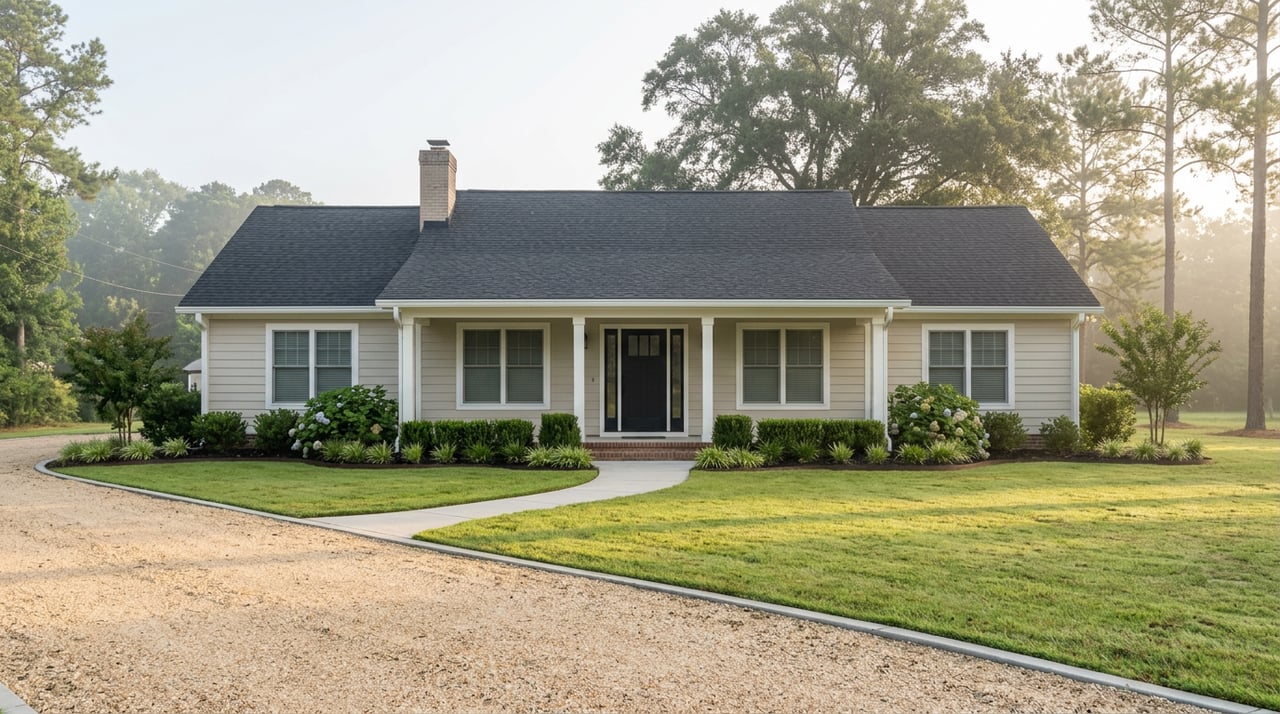
New construction in Boynton Beach tends to follow a planned-community model. These homes often come with more standardized features, newer systems, and shared amenity packages that are part of the neighborhood design. If you want a more predictable ownership experience, that can be a major advantage.
Current builder offerings also show that new construction often sits in a higher price band than the city’s broader housing stock. For example, Estates of Boynton Waters is actively selling around $919,990 for a 5-bedroom, 4-bath, 3,360-square-foot plan, while Valencia Grand starts around $1.4 million and Valencia Del Mar ranges roughly from $1.2 million to $2.5 million.
Many buyers are drawn to new construction because the product feels turnkey. Builder materials for Boynton Beach communities highlight features such as contemporary one- and two-story plans, high ceilings, transom windows, gourmet kitchens, spa-like baths, and outdoor living areas.
You may also see energy-conscious features in some homes. Lennar notes that certain homes can include items such as solar panels, LED lighting, and ENERGY STAR appliances. That does not mean every home includes the same package, so it is worth confirming what is standard and what is optional.
In newer Boynton Beach communities, amenities are often a central part of the value. Estates of Boynton Waters includes a pool, clubhouse, and tennis courts. Valencia Grand and Valencia Del Mar are both built around large 43,000-square-foot clubhouses and extensive resort-style amenities.
Depending on the community, that can include indoor and outdoor pickleball, a yoga garden, a sports lounge, a spa, a restaurant, and a patio bar. If you want recreation close to home and prefer a neighborhood with built-in social spaces, this setup may appeal to you.
New construction can feel simpler, but it is important to understand what you are paying for. Lennar defines a CDD as a fee used to pay for infrastructure and amenities, and HOA fees may be listed on the community page or shared through a consultant. GL Homes says Valencia Grand handles landscaping, security alarm monitoring, and facility maintenance.
That means some of your maintenance responsibilities may be more limited than they would be in an older neighborhood. Still, you should ask exactly what is included, how fees may change over time, and whether irrigation, exterior upkeep, or amenity maintenance are part of the package.
Not all new construction is open to every buyer. Some Boynton Beach new-home options are 55+ active-adult communities, which means they are designed for a narrower buyer pool and come with age-related occupancy rules.
If you are considering this type of community, make sure it fits your household now and in the future. It can be a great option for the right buyer, but it is not interchangeable with a general residential community.
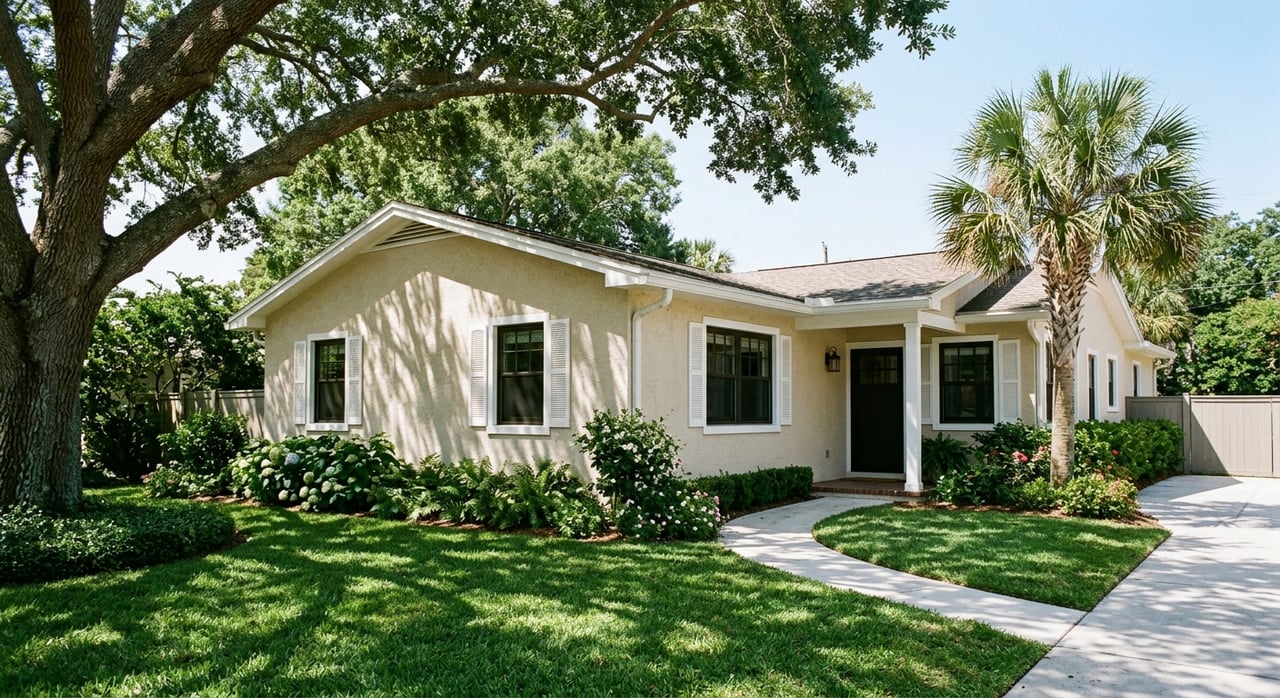
Established neighborhoods offer a different kind of value. In Boynton Beach, older homes and long-standing areas can vary widely in age, layout, lot size, and architectural style. If you want character, variety, or a location closer to the water and downtown amenities, these neighborhoods deserve a close look.
The city’s historic preservation program shows just how broad that range can be. Boynton Beach highlights older homes such as a 1941 Happy Home Heights residence and the Andrews House, built between 1901 and 1909. That tells you right away that established housing here does not come in one standard package.
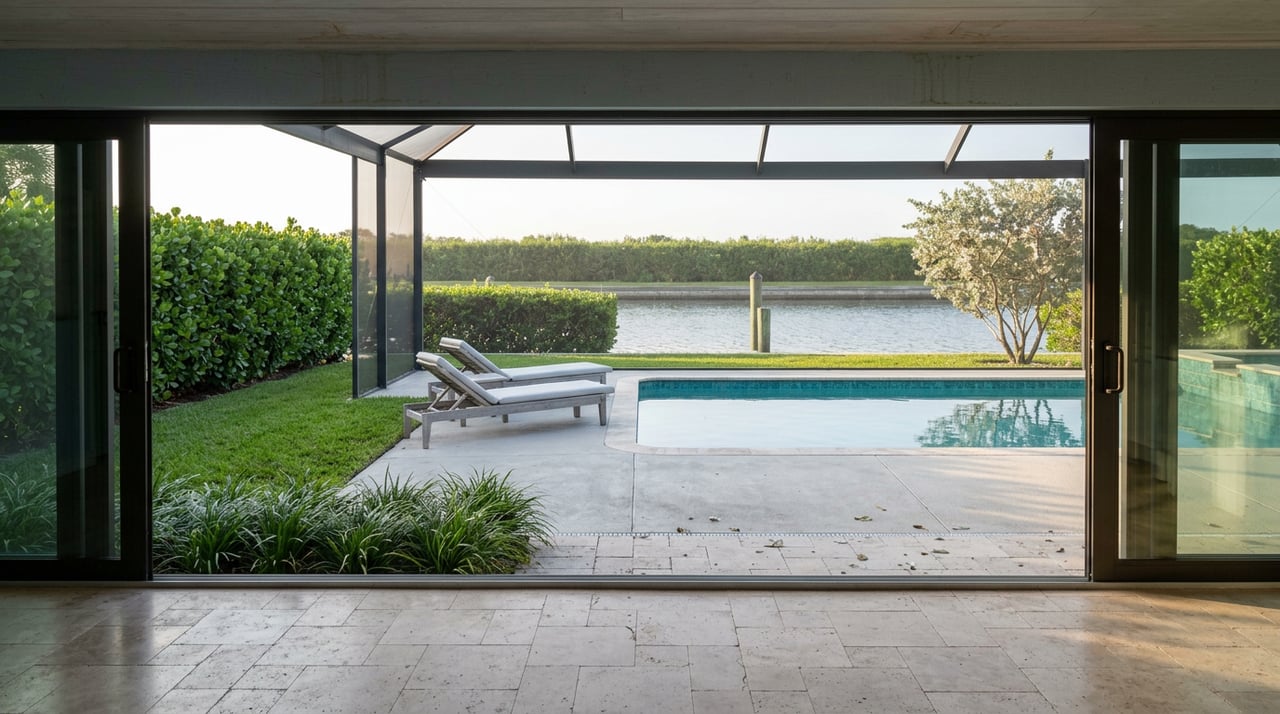
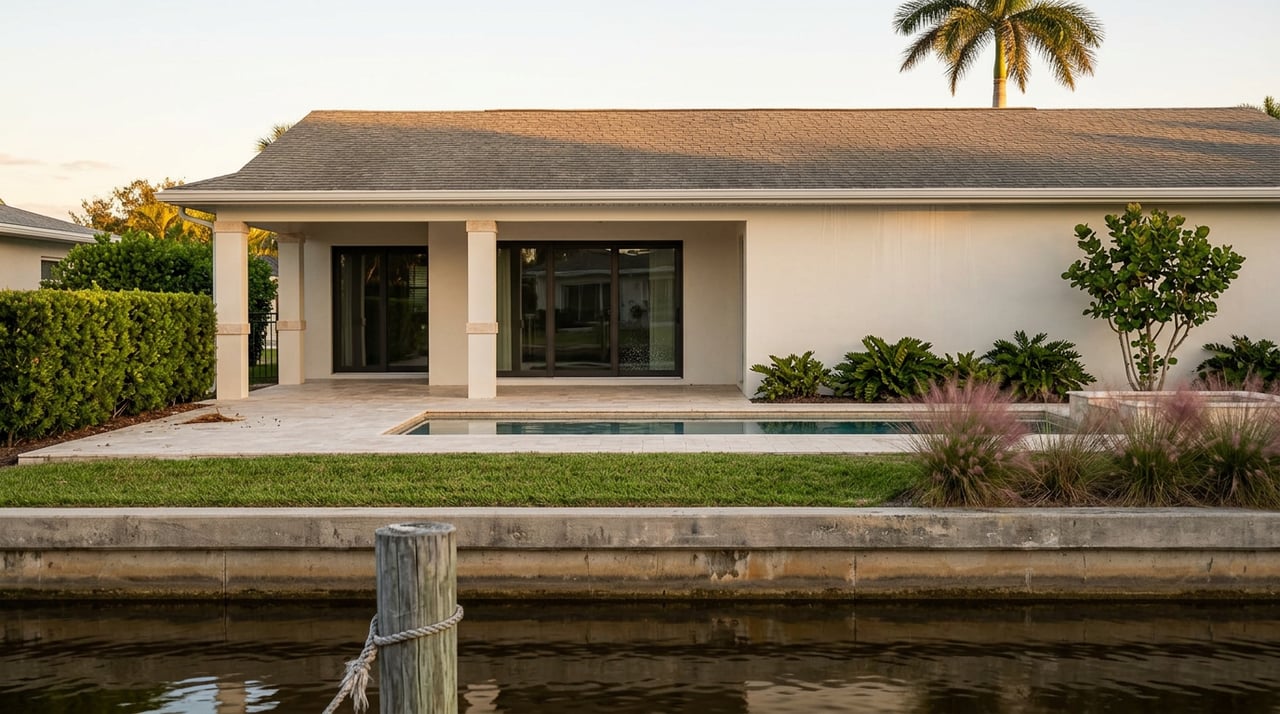
One of the clearest differences in Boynton Beach is location. Established east and central areas are generally more tied to the city’s waterfront and downtown fabric. The city points to five parks on the Intracoastal Waterway, Boynton Harbor Marina near the inlet, and Oceanfront Park Beach within a short walk or bike ride of downtown.
If your ideal routine includes being near the water, public parks, marina access, or the beach, an established neighborhood may better match that vision. For many buyers, that lifestyle tradeoff is just as important as the home itself.
In older neighborhoods, the lifestyle often depends less on private clubhouses and more on city-run amenities. Boynton Beach operates a beach, parks, recreation centers, and a marina. That creates a different ownership experience than a master-planned community with a private amenity core.
This can be appealing if you prefer flexibility and do not need a large internal amenity package. It also means your experience may be shaped more by the specific property location than by a uniform neighborhood setup.
Established homes can come with more owner responsibility. Roof age, appliances, drainage, and long-term upkeep all deserve attention. In Boynton Beach, the city notes that drainage systems and flood-hazard areas require ongoing attention, and privately owned drainage systems are the responsibility of property owners and associations.
The city also participates in the National Flood Insurance Program, so flood insurance may be relevant depending on the property. In addition, if a home has historic designation, the city requires alterations to preserve historic character, with new work differentiated from but compatible with the original structure.
That does not make older homes a poor choice. It simply means you should verify the condition of the property, understand any renovation limits, and look closely at ownership costs beyond the purchase price.
For many buyers, this decision comes down to geography. Established neighborhoods are often better positioned for access to the Intracoastal, marina, beach, and downtown. Newer communities often lean more toward commuter convenience and internal amenities.
Boynton Beach has direct access to the Florida Turnpike, three I-95 exits, and a Tri-Rail station near Gateway Boulevard and I-95. FDOT lists Boynton Beach Boulevard as I-95 exit 57. If your routine depends on regional travel, those connections can make inland and western communities especially appealing.
This comparison is not about one option being better than the other. It is about fit. New construction in Boynton Beach is often priced well above the city’s median owner-occupied home value of $372,800, which means many new communities occupy a distinct segment of the market.
Established neighborhoods can offer a wider mix of home ages, property types, and price points. They may also offer access to locations that are harder to replicate in a newer development, especially closer to the water or older parts of the city.
Before you commit to either path, focus on questions that reveal the true ownership experience. A beautiful home can still be the wrong fit if the fees, location, or maintenance obligations do not align with your goals.
Here are some of the most useful questions to ask:
If you want newer finishes, a more uniform community design, and amenities that are part of the neighborhood structure, new construction may be the stronger fit. It can also work well if commuter access and lower near-term maintenance are high priorities.
If you care more about character, location near the water, proximity to downtown amenities, or a broader mix of home styles, established neighborhoods may feel more compelling. The right answer depends on how you want to live in Boynton Beach, not just what looks best online.
When you compare options at the neighborhood and property level, the decision becomes much clearer. If you want help sorting through new construction, established areas, waterfront options, or 55+ communities in Boynton Beach, The Homeseeker Group can help you narrow the choices and move forward with confidence.
Stay up to date on the latest real estate trends.
We’re more than agents—we’re local advocates, expert negotiators, and relentless problem-solvers. Let’s bring your real estate vision to life, together.