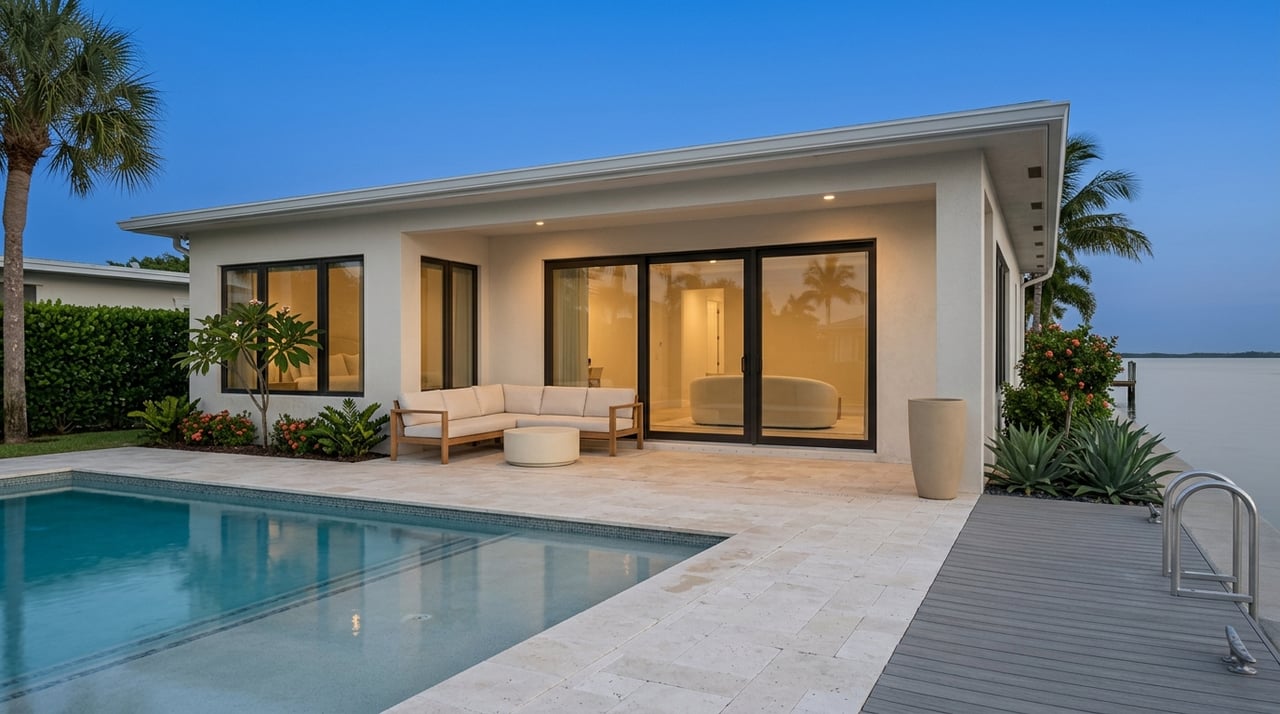
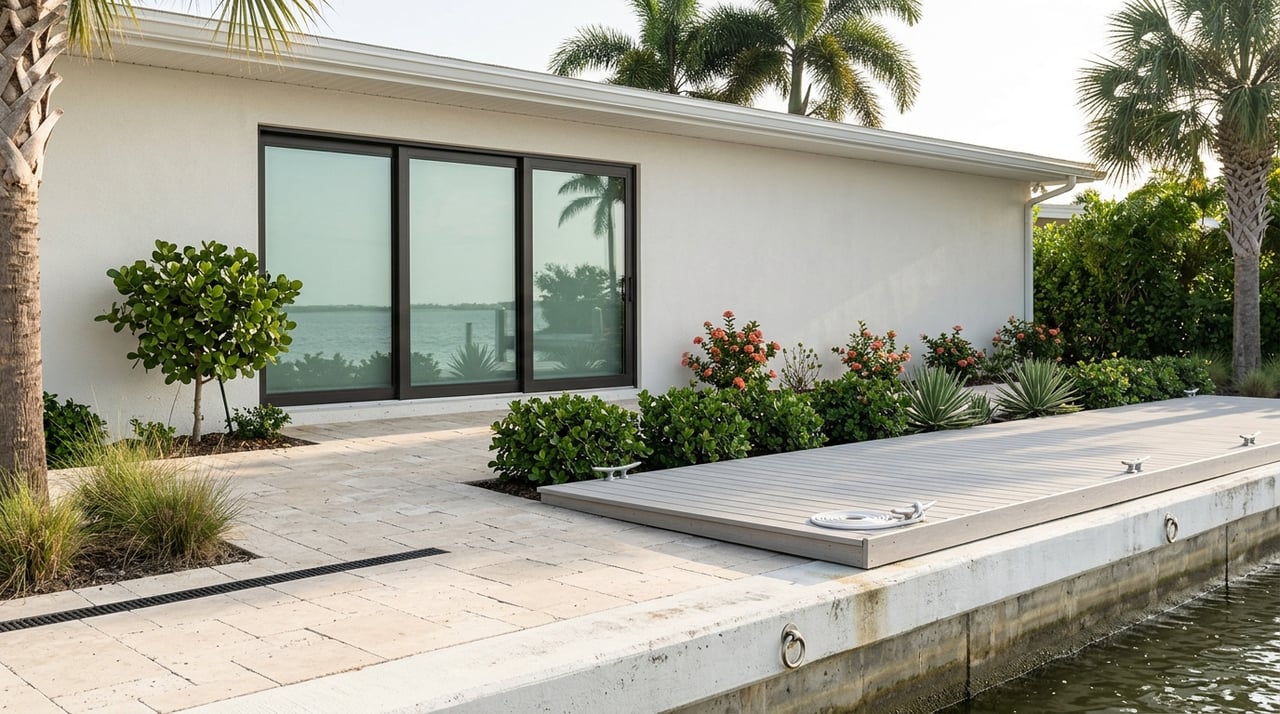
Dreaming of a low-key waterfront lifestyle without the bustle of bigger beach towns? Hypoluxo gives you marina access, Intracoastal views, and amenity-rich condo communities in a compact Palm Beach County setting. If you are considering a condo here, you want a clear picture of prices, HOA fees, new Florida condo rules, flood and insurance, pet and rental policies, and financing. This guide walks you through the essentials, plus a practical checklist you can use on your first tour. Let’s dive in.
Why buy in Hypoluxo
Hypoluxo is a small town in Palm Beach County with a population of roughly 2,600 to 2,800 residents, according to recent census estimates. You get a peaceful coastal environment with several communities along the Intracoastal, many with marinas, boardwalks, and water views. The footprint is small, so inventory stays tighter than nearby cities, which helps preserve the intimate feel.
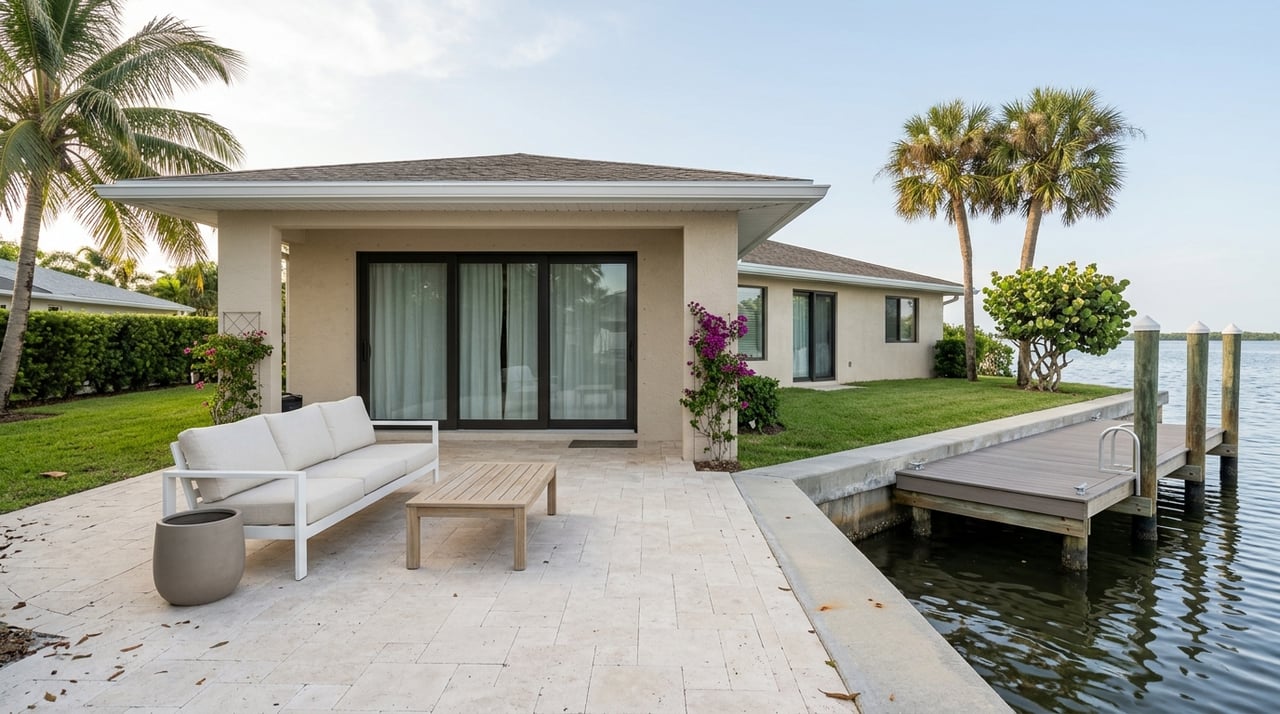
Water is the headliner here. If you want easy access to boating and sunrise walks along the Intracoastal, Hypoluxo’s condo campuses fit well. Think pools, clubhouses, fitness rooms, tennis or pickleball, and direct pathways to the water.
What your money buys
On major portals, median condo listing prices for Hypoluxo often sit in the low to mid 300s, with waterside buildings and larger floor plans pulling higher prices. Inventory is smaller than in neighboring cities, so well-priced units can move quickly. Typical footprints include 1-bedroom units around 600 to 800 square feet and 2-bedroom units around 850 to 1,350 square feet, with larger plans found in waterfront buildings.
Here’s a quick, directional comparison to nearby condo markets:
| Area |
Typical condo price context |
Lifestyle and inventory snapshot |
| Hypoluxo |
Often around the low–mid $300Ks |
Compact, marina-focused campuses; Intracoastal views and amenities |
| Lantana |
Often around the mid $200Ks |
Slightly broader mix; easy access to municipal beach and parks |
| Boynton Beach |
Wider price bands with lower medians overall |
Larger city with more total inventory across inland and waterfront options |
Use these as general guideposts. Exact pricing changes with new listings and amenities. Ask your agent to pull a fresh MLS snapshot before you make an offer.
Common condo types and amenities
You will typically see three community styles in Hypoluxo:
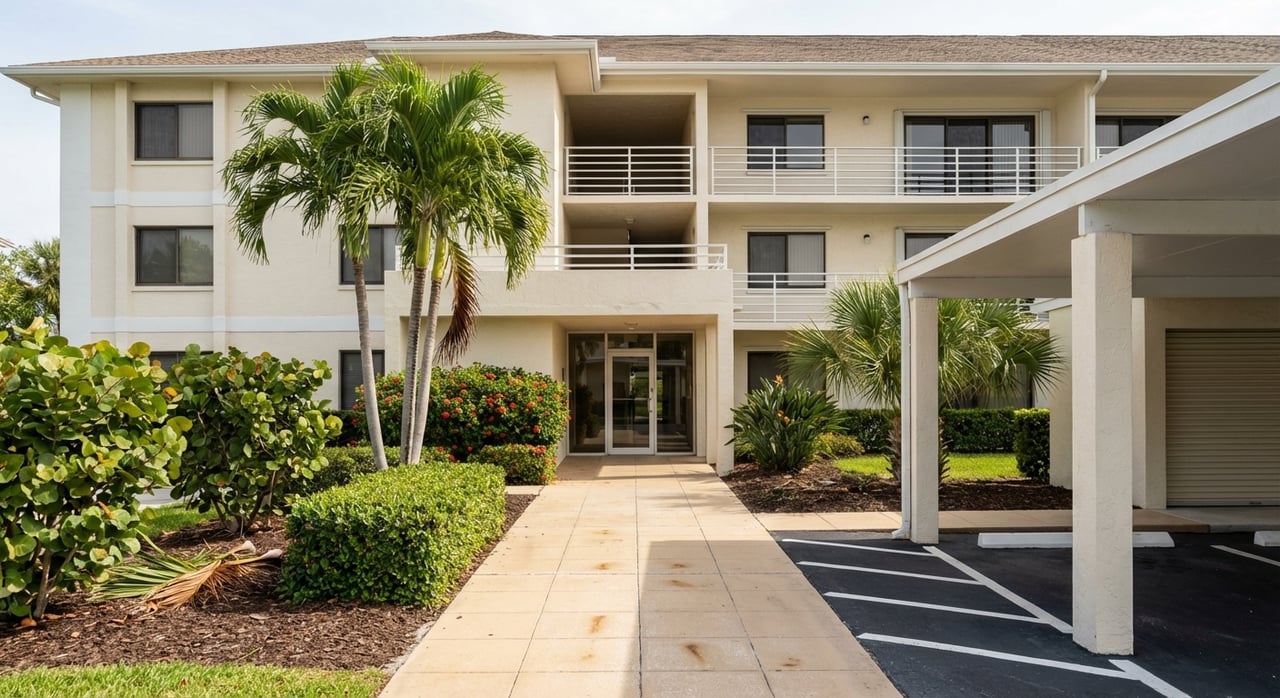
- Intracoastal-front mid-rises with marinas or boardwalks, and the strongest amenity sets. Examples include known communities like Half Moon Bay, the Yacht Club on the Intracoastal, and Mariners Cay. Community pages give a feel for on-site features like pools, fitness rooms, and waterfront walkways.
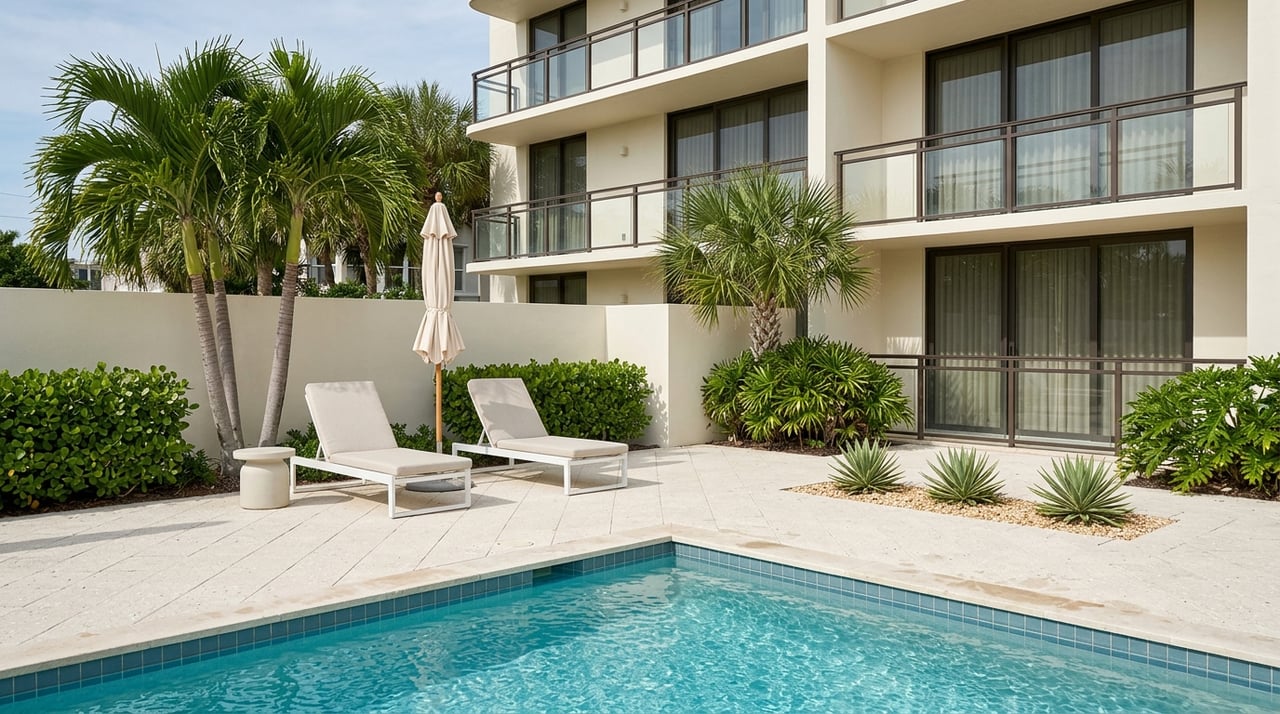
- Gated amenity campuses that span several buildings with clubhouses, multiple pools, tennis or pickleball, and on-site management. These often blend 1 to 3 story buildings with a few mid-rises.
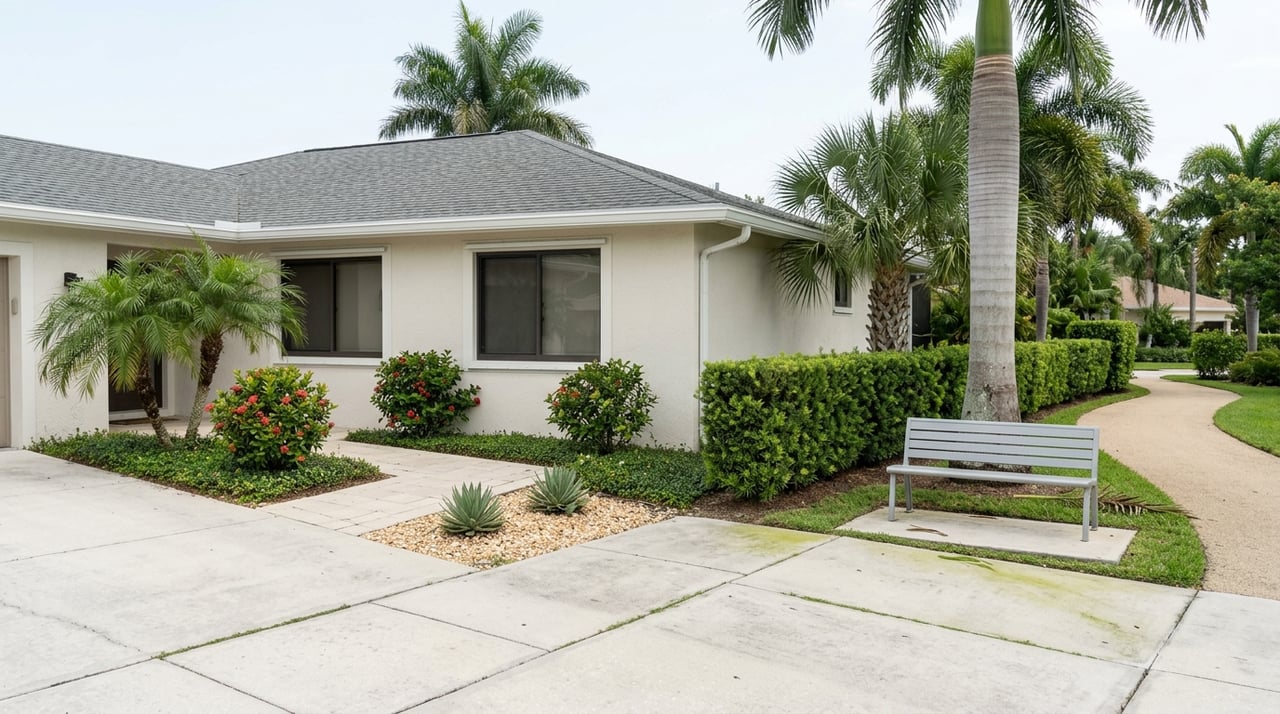
- Smaller low-rise or garden-style condos more common as you move inland. These tend to be more budget-friendly and may offer simpler amenity packages.
For a taste of a waterfront campus, review the Half Moon Bay community site for amenity examples like pools, a clubhouse, and direct Intracoastal access.
HOA fees: what to expect and what they cover
Association dues vary by community, amenities, and whether utilities or services are bundled. In recent listings, buyers often see monthly fees in the roughly $650 to $950 range in amenity-heavy waterfront communities, with some complexes in the low to mid $700s. Always review the latest budget and ask exactly what the fee includes.
What HOA dues commonly include:
- Common-area maintenance, landscaping, pool and amenity upkeep
- Exterior building insurance on the master policy
- Management, security or gate services, and trash
- Sometimes cable or internet through a bulk contract
What they typically do not include:
- Your interior condo policy (HO-6)
- Flood insurance for your unit if required by your lender
- Private boat slip fees or marina charges
- Some utilities or parking fees, depending on the community
Florida condo laws you should know
Florida strengthened condo safety and reserve rules after 2021. Two changes matter for buyers in 3-story and taller buildings:
- Milestone structural inspections. Many 3-plus story buildings must complete a visual structural inspection around 30 years of age, then every 10 years. Coastal proximity can move the first inspection earlier. Ask for the date of the building’s last Milestone Inspection Report and whether any Phase 2 work or repairs are required.
- Structural Integrity Reserve Studies (SIRS). Associations for 3-plus story buildings must conduct a SIRS at least every 10 years and fund reserves for the items identified. This can raise dues or lead to special assessments if large repairs are needed.
If you are considering a mid-rise or taller building, request the latest inspection and reserve documents during due diligence.
Insurance and flood: plan ahead
Flood risk varies by building and even by stack. Lenders often require flood insurance if the building sits in a FEMA Special Flood Hazard Area. Look up the address on FEMA’s Flood Map Service Center to see the flood zone, then have your insurance agent quote a premium.
Palm Beach County participates in FEMA’s Community Rating System, which can help with NFIP premium discounts. Flood risk still matters in waterfront settings, so confirm the specifics for your building and floor.
You will likely need an HO-6 condo policy for your unit. This covers interior finishes, personal property, and liability, and it can include loss-assessment coverage if the association’s hurricane deductible triggers an owner charge. Ask the association for the master policy type and hurricane deductible so your agent can right-size your coverage.
Parking, storage, pets, and rentals
- Parking: Check whether spaces are deeded, assigned, or licensed, and whether there are guest parking limits. Ask where guest spaces sit and if any permits are required.
- Storage: Storage options range from deeded cages to first-come common areas. Confirm size, location, and any fees.
- Pets: Rules vary by association. Many communities set limits on number and combined weight, and some restrict breeds. Always review the association’s current Rules and Regulations for the exact policy.
- Rentals: Many communities allow seasonal leases with a minimum term, such as 90 days or 3 months, and limit the number of leases per year. If you plan to rent, verify the exact policy up front.
Financing and project eligibility
Condo loans look at the unit and the entire project. Some associations do not meet standard investor guidelines because of litigation, reserve shortfalls, high delinquency, or too much commercial space. These are often called non-warrantable projects. If you need a conventional or government-backed loan, ask early whether the building is generally lender friendly and whether any banks have declined recent files. If a project is non-warrantable, expect a smaller lender pool and possibly higher down payments or rates.
Your Hypoluxo condo due-diligence checklist
Use this list to request documents and answers before or during your showing. It will help you avoid surprises and price your offer with confidence.
- Association contact and management company details, plus who can order the condo docs and estoppel certificate.
- Most recent budget, last three years of financials, and the latest reserve study. If the building is 3-plus stories, request any Milestone Inspection reports and SIRS documents.
- Minutes from board meetings for the last 12 months to spot pending projects or special assessments.
- Current estoppel certificate with amounts due, any transfer fees, and any approved or pending special assessments.
- Association insurance declarations page and the master policy hurricane deductible amount. Share both with your insurance agent for quotes and loss-assessment guidance.
- Building age, date of last Milestone Inspection, and whether any Phase 2 work is underway or funded.
- FEMA flood zone for the property address and, if available, a recent flood premium example for the building.
- Parking and storage specifics: deeded vs. assigned, fees, and exact locations. If boat access matters, ask how slips are owned or assigned and who pays for seawall, dredging, and marina maintenance.
- Pet rules, rental minimums, number of leases allowed per year, and any age or occupancy rules.
- Litigation history: ask about any open lawsuits or contractor disputes and request the attorney’s summary if something is active.
- Financing eligibility: ask whether recent conventional or FHA loans have been approved in the community and if any lenders have declined files.
Smart questions to ask on tour
- What does the monthly HOA include today, and what does it exclude?
- When was the last reserve study, and how much is in reserves now?
- What capital projects are planned in the next 12 to 24 months?
- Are parking and storage deeded to this unit, and how does guest parking work?
- Are boat slips owned, rented, or waitlisted, and who pays to maintain marine structures?
- What is the minimum lease term, and how many leases are allowed per year?
- Are there any open insurance claims or lawsuits affecting the association?
Red flags to watch
- A waterfront building with low reserves and a recent inspection that recommends structural work. This often leads to large special assessments and tight project timelines.
- Limited project eligibility for mortgage lenders. Non-warrantable status can mean fewer financing options and more cash-heavy competition.
- Unclear marina ownership or seawall responsibility. Repairs, dredging, and permitting can be costly, so confirm who pays and how those costs are budgeted.
- Vague or outdated pet and rental rules. Always rely on the latest recorded documents, not a casual comment.
Your next step
If Hypoluxo’s marina lifestyle and easy Intracoastal access are on your wish list, a thoughtful plan will help you move fast and avoid surprises. We will help you confirm fees, review condo docs, coordinate insurance quotes, and align financing with the right buildings so you can buy with confidence. Ready to start? Schedule a consultation with The Homeseeker Group to get a custom shortlist and a clear path to closing.
FAQs
How much are Hypoluxo condo HOA fees on average?
- Fees vary by community and amenities. In amenity-heavy waterfront buildings, recent listings often show monthly dues in the roughly $650 to $950 range. Always verify inclusions, reserves, and any special assessments before you offer.
What inspection and reserve reports should I ask for in Florida condos?
- For 3-plus story buildings, request the latest Milestone Inspection Report and the Structural Integrity Reserve Study, plus the current budget and reserve balances. These show structural priorities and whether funding is in place.
Do I need flood insurance for an Intracoastal condo in Hypoluxo?
- Many lenders require flood coverage if the property is in a FEMA Special Flood Hazard Area. Check the address on FEMA’s map, then get a quote. Plan for an HO-6 policy for your interior coverage as well.
Can I rent my Hypoluxo condo seasonally?
- Many communities allow seasonal leases but set minimum terms, such as 90 days or 3 months, and may limit the number of leases per year. Confirm the exact policy in the association’s governing documents.
What makes a condo non-warrantable and why does it matter?
- High delinquencies, low reserves, large commercial space, or active litigation can make a project ineligible for standard conventional or government-backed loans. This can reduce lender options and raise down payment or rate requirements.
What is an estoppel certificate in a Florida condo purchase?
- It is an official association document your title company or attorney orders before closing. It states amounts owed, special assessments, transfer fees, and any violations so you know what must be paid at closing.