Boynton Beach Seasonal Rental Homes: A Smart Guide
March 26, 2026
March 26, 2026
Thinking about turning a Boynton Beach home into a seasonal rental or finding the right winter place for yourself? You’re not alone. From November through April, snowbird demand surges across Palm Beach County, and owners who plan ahead often see stronger bookings and smoother operations. In this guide, you’ll learn how the local season works, what licenses and taxes you need to handle, which property types perform well, and how to price and manage a winter rental. Let’s dive in.
Winter demand typically runs November through April, with the highest monthly interest in December through March. Local managers emphasize furnished, turnkey stays for one to four months, which fit how many snowbirds travel. You’ll see many listings marketed for multi‑month stays to reduce turnover and keep guests comfortable throughout the season, a strategy local Boynton Beach managers recommend.
Monthly bookings commonly outperform nightly bookings for winter visitors because they minimize cleaning and vacancy time. Off‑season rates drop in late spring and summer, while peak winter months often earn a premium. Local operators report that comparable units can command roughly 20–35 percent higher monthly rates during peak months, though results vary by property and location based on local manager guidance.
Florida’s Department of Business and Professional Regulation requires a vacation rental license for many properties rented more than three times per year for stays under 30 days, or if you advertise short‑term lodging. Review the DBPR guidance to see if your setup applies and what life‑safety rules you must follow. Learn more in the state’s FAQ on which rental properties need a DBPR license.
The city adopted a short‑term rental program effective October 1, 2023. If you rent a property more than three times per year for periods under 30 days, city registration and operating standards apply. Requirements include a local responsible party, occupancy and parking rules, inspections, and penalties for violations. Start with the city’s short‑term rental announcement, then confirm current application steps and fees before advertising.
Palm Beach County levies a Tourist Development Tax of 6 percent on transient rentals of six months or less. You must open a TDT account and file monthly returns, even if you use a listing platform. Details are on the Tax Collector’s page for the Tourist Development Tax.
Florida also applies sales and use tax, plus a county surtax that can change. Check the Florida Department of Revenue’s current schedule when you model pricing and tax pass‑throughs. See the DOR’s discretionary sales surtax information.
Boynton Beach ties registration to business tax receipts and permitting. You will need documentation of a local responsible party who can respond quickly to issues, and the city may require inspections and posted rules. Review the city’s application materials and standards in the staff packet to understand what to prepare before you list your home. See the city agenda materials for STR rules and procedures in the official packet.
Furnished condos near amenities often appeal to snowbirds seeking convenience and lower maintenance. Many associations, however, limit rental frequency or set minimum stay lengths. Always review the condominium documents and any leasing restrictions. You can gauge common monthly pricing patterns by scanning statewide snowbird listings on FloridaRentals and then comparing to local comps. For background on how associations approach short‑term rentals, see the Community Associations Institute’s policy paper.
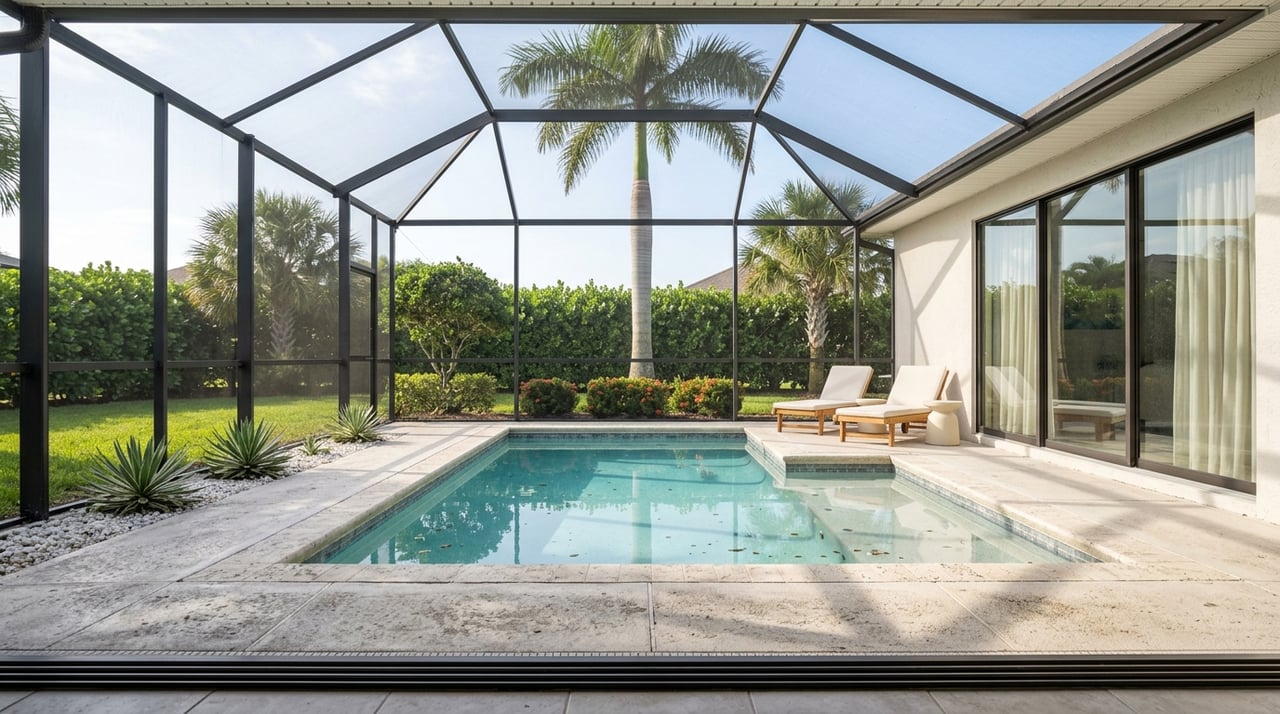
Single‑family homes with screened patios or pools can command stronger seasonal rates, especially if they offer outdoor space and privacy. They also involve higher insurance and maintenance costs, so factor those into your net income model. Pricing will still follow the winter premium pattern highlighted by local managers and listing marketplaces.
Townhomes and homes in 55+ communities can be attractive to seasonal older adults who prefer quiet, managed environments. Rules vary widely by association, so check whether seasonal leases are allowed and what length is required. Local experts advise focusing on communities with clear, written policies for seasonal rentals as noted by area managers.
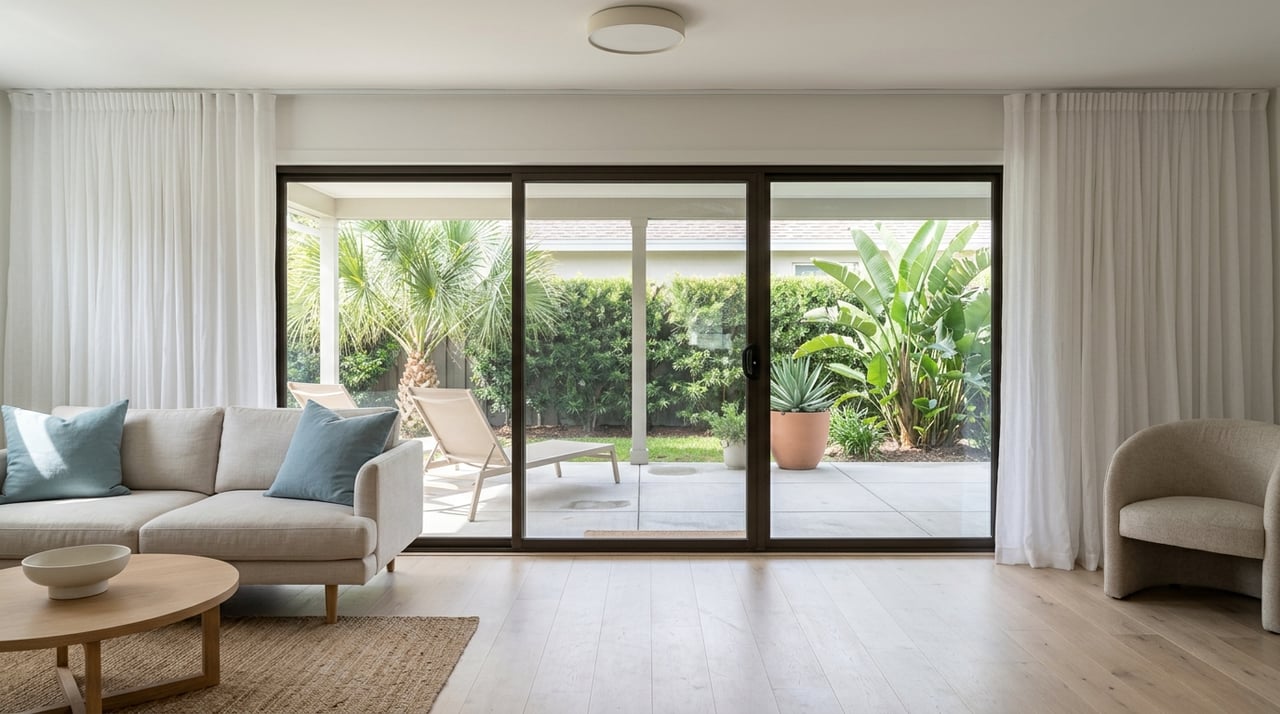
Seasonal tenants want a turnkey experience. Provide comfortable furniture, quality linens, a fully stocked kitchen, reliable Wi‑Fi, strong A/C, and an in‑unit washer and dryer. For multi‑month stays, add storage, clear utility terms, and a simple guide to local services. Area managers suggest setting monthly or seasonal rates with addenda that define utility caps and maintenance responsibilities based on local guidance.
Boynton Beach requires a local responsible party who can respond rapidly to guest issues. Line up reliable vendors for HVAC, pool, landscaping, plumbing, and pest control. Aim to complete pre‑season inspections, including HVAC service and life‑safety checks, so your home is guest‑ready. You can review the city’s expectations for responsible parties and operational standards in the official STR materials.
Standard homeowners policies typically do not include flood coverage. If your property is in a FEMA Special Flood Hazard Area, lenders generally require separate flood insurance. The city provides parcel‑level resources to help you verify status on its Flood Information page. Recent FEMA map changes have moved more Palm Beach County homes into higher flood‑risk zones, which can affect insurance costs and requirements. For context on countywide changes, review WLRN’s reporting on new flood zone designations.
Policies in Florida often include hurricane deductibles and may offer wind‑mitigation credits. If you plan frequent short stays, confirm your coverage allows transient use or ask a licensed Florida insurance agent about endorsements or a different policy type.
If you want a seasonal rental strategy that fits your goals, you deserve local guidance you can trust. Our team pairs neighborhood‑level knowledge with a consultative approach to help you evaluate communities, understand association rules, compare potential returns, and make a confident purchase or sale. We bring high‑quality listing presentation, market intelligence, and hands‑on coordination from search to closing so you can focus on the lifestyle you want in Palm Beach County.
Ready to explore seasonal rental opportunities in Boynton Beach? Schedule a consultation with The Homeseeker Group.
Stay up to date on the latest real estate trends.

We’re more than agents—we’re local advocates, expert negotiators, and relentless problem-solvers. Let’s bring your real estate vision to life, together.