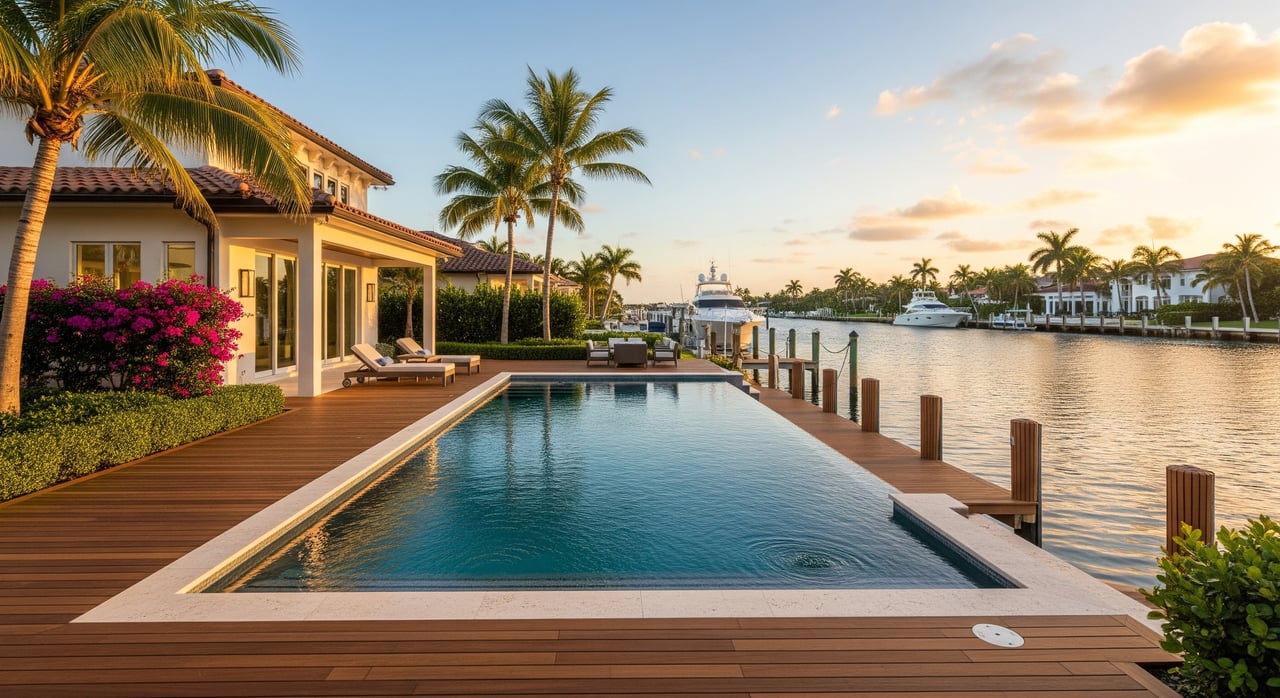
What Waterfront Living Feels Like In North Palm Beach
February 12, 2026
February 12, 2026
Picture this: a steady salt breeze, seabirds coasting over the Intracoastal, and the soft thrum of outboards easing out of the marina. If you are drawn to the water, you want more than glossy photos. You want to know how waterfront life in North Palm Beach really feels day to day. In this guide, you will get a clear view of marinas and boat runs, the types of homes you will find, the costs and care that come with living near saltwater, and how the seasons shape your routine. Let’s dive in.
North Palm Beach sits on Florida’s east coast in northern Palm Beach County, directly on the Intracoastal Waterway within the Lake Worth Lagoon system. The village is tucked between the Atlantic Ocean barrier islands to the east and the mainland to the west, which gives you quick access to protected waters and open ocean through nearby inlets.
You are also part of the larger West Palm Beach–Boca Raton–Delray Beach metro area. That means dining, arts, shopping, and Palm Beach International Airport are within a short drive. Many residents work or play across the region, then come home to a quieter waterfront village feel.
The climate is subtropical and coastal. Expect hot, humid summers and mild, drier winters. Snowbirds arrive in winter, so the season feels livelier on the water and at waterfront restaurants, while late summer often brings calmer weekdays and a slower pace.
Mornings start early. You will see walkers and joggers along seawalls, anglers setting lines, and boats slipping out at first light for fishing or a calm cruise on the Intracoastal. The air feels fresh, and the water often lays down nicely.
By midday, you might paddle a kayak or stand-up board along mangrove edges, then meet friends for lunch by a marina. The breeze picks up, and the sound of halyards tapping masts becomes a familiar rhythm.
Weekends and winter days are the most social. Boats move in and out of slips, families anchor near barrier island beaches, and day trips to spots like Peanut Island are popular. On summer weekdays, it can feel like you have long stretches of water almost to yourself.
Waterfront living here revolves around marina access. You will find a mix of private single-family docks, condominium buildings with assigned wet slips, private marinas, and county-maintained public ramps. Waterfront condos often market on-site marina facilities, which can be a smart way to pair a lock-and-leave lifestyle with boating.
Slip availability varies. Some marinas and slip programs have waitlists, and pricing depends on boat size, whether slips are tied to unit ownership or leased, and whether access is public or membership-based. If a slip is essential, confirm details early in your search.
Most area marinas offer the essentials you will come to rely on: wet and transient slips, fuel docks, pump-out stations, basic maintenance and repair services, and access to chandlery or marine supplies. Many also sit within a marina-village setting, with dining and retail steps from the docks, which keeps your pre-cruise and post-cruise routine simple.
From North Palm Beach, you can make short to moderate runs for classic South Florida days. Common outings include cruising to barrier island beaches, exploring Palm Beach area waters, and heading to nearby inlets for ocean access. Boaters frequently use Lake Worth Inlet to the south and Jupiter Inlet to the north. You will also see boats set up on buoyed fishing grounds and families rafting up near islands like Peanut Island for swimming and picnics.
Florida Fish and Wildlife Conservation Commission rules cover vessel registration, safety equipment, and speed zones. Local marine authorities and marinas also post no-wake zones and docking procedures, so you will want to stay aware as you move between waterways. If you plan to live aboard long term or build or modify a dock or seawall, expect to work through county or municipal permitting, and in some cases environmental review.
You will see a range of single-family homes along canals and the Intracoastal, from mid-century and ranch styles to renovated contemporary and Mediterranean estates. Many include private docks or seawalls, which give you direct control of your boat life. These properties tend to command a premium and require active upkeep.
Waterfront condominiums in North Palm Beach often feature assigned slips, covered parking, elevators, pools, clubhouses, and security. If you want boating without the heavier lift of single-family ownership, a marina-condo setup can be a strong fit. HOA structures centralize some maintenance, and many residents value the social aspect of a shared marina community.
Not every water lover needs to be right on the seawall. Townhomes and homes one or two streets off the Intracoastal can balance price and access. Pairing a near-water residence with a leased marina slip or a reliable public ramp can deliver the lifestyle while managing costs.
Living near salt water is rewarding, and it also brings specific responsibilities. Plan for the following ongoing items:
If you are buying a second home, build these costs into your cash flow plan. If you are relocating full time, consider how association rules and marina waitlists fit your boating habits.
Flood risk is a real factor along the Intracoastal and nearby canals. FEMA flood maps and local building codes guide design and renovation, including wind and flood measures for new construction and major updates. Ask about property elevation, past storm performance, and any mitigation that may help with insurability.
New docks, seawalls, or significant repairs usually require county permits and, at times, coordination with environmental or resource management bodies. Start early with a licensed marine contractor and confirm what is allowed for your lot or condo association.
Like all of South Florida, Palm Beach County is planning for sea-level rise and coastal storms. Long-term resilience matters. When you compare properties, weigh seawall condition, drainage, and evidence of municipal investment in coastal infrastructure.
Water quality in the Lake Worth Lagoon and Intracoastal system also shapes daily life. Advisories can occur during events like algal blooms or heavy runoff. Boaters help protect local waters by using pump-outs, fueling carefully, and following best practices while at anchor or underway.
Nature is close at hand. MacArthur Beach State Park offers beach access, boardwalks through coastal habitat, kayaking, and a small nature center with interpretive trails. It is an easy place to build a healthy routine of paddling, beach walks, and birding.
Marina-village life is a hallmark of North Palm Beach. Complexes like Old Port Cove illustrate the mix you will see, with on-site docks, services, and waterfront dining that draw locals and boaters alike. In winter and on summer holiday weekends, terraces fill up and the docks feel festive.
If you enjoy community events, you will find yacht and boating clubs, as well as marina-hosted dock parties, regattas, and fishing tournaments. Golf and social clubs near the water add more ways to meet neighbors and stay active.
Use this checklist to focus your search and avoid surprises:
If you want lower-maintenance living with social amenities and a managed slip program, a waterfront condo or marina-condo complex may be ideal. If you prefer maximum control of your dock and layout, and you are ready for more hands-on care, a single-family Intracoastal or canal home is a better fit. Near-water townhomes or inland streets close to ramps can split the difference on value and access.
Plan your lifestyle around the rhythm of the seasons. Winter is peak for social boating, events, and dining out by the water. Late summer brings heat, a quieter scene, and hurricane-season planning. Many residents appreciate how this cycle creates both lively months and peaceful stretches.
Choosing the right waterfront or near-water home is about aligning your daily routine with the right property, marina access, and budget. You deserve a partner who understands Palm Beach County micro-markets and the details that matter along the Intracoastal.
If you are comparing condos with assigned slips, seeking a canal home with a solid seawall, or exploring a near-water property plus a leased slip, we can help you weigh the trade-offs clearly. Schedule a consultation with The Homeseeker Group to map your options and move forward with confidence.
Stay up to date on the latest real estate trends.
We’re more than agents—we’re local advocates, expert negotiators, and relentless problem-solvers. Let’s bring your real estate vision to life, together.