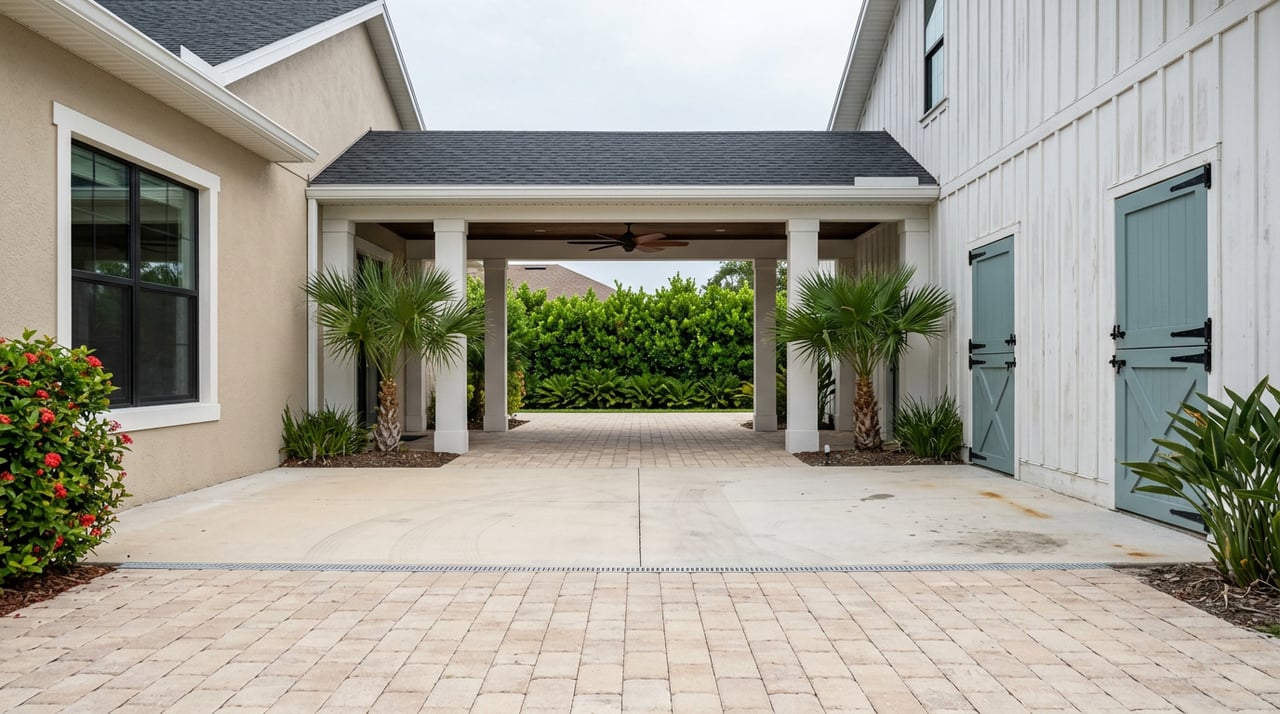
Inside Wellington’s Equestrian Lifestyle Neighborhoods
March 12, 2026
March 12, 2026
If winter in Wellington feels like the world’s horse capital, you’re not imagining it. Between show jumping, dressage, and polo, the village comes alive with horses, riders, and fans from around the globe. If you’re thinking about buying here, you likely want to understand how the season works, what “equestrian zoning” means, and how daily life in these neighborhoods actually feels. This guide breaks down the calendar, the Equestrian Preserve, neighborhood types, real costs, and key questions to ask before you buy. Let’s dive in.
Wellington is a global winter destination for horse sport. The Winter Equestrian Festival (WEF) and the Adequan Global Dressage Festival anchor the season, with multiweek competition typically running from late December or January through March or April. Wellington International operates the venues and publishes each season’s schedule, prize lists, and visitor details, including daytime classes and special evening events.
Expect a weekly rhythm. Daytime competition happens most weekdays, with big crowds on select evenings and weekends. Families love “Saturday Night Lights,” which often includes entertainment alongside top-level show jumping. Plan for more traffic and event parking during those peak times.
Polo season also runs in winter, roughly January through April, with Sunday matches drawing large crowds at the National Polo Center. If you live nearby, weekends feel lively with a steady flow of spectators, hospitality, and tailgates.
Wellington’s horse season is also a major economic engine. A recent report cited by the venue shows WEF generating more than $538 million in countywide economic impact, underscoring how central the winter circuit is to local life and business. You can read the latest summary on Wellington International’s news page.
Wellington protects its horse-friendly character through the Equestrian Preserve Area (EPA) and an Equestrian Overlay Zoning District (EOZD). The Village identifies the Preserve as roughly 9,000 acres in the western and southern parts of Wellington, designed to maintain rural scale and equestrian uses. You can review the overview on the Village’s FAQs and the dedicated Equestrian Preserve page.
Two practical notes matter for buyers:
Charter protections are another key piece. In 2016, Wellington voters strengthened long-term intent by restricting hotels, motels, condos, and apartments inside the Preserve and making it harder to reduce its boundaries. You can read the Village Charter language here and a local background summary of the 2016 referendum here.
Finally, the EOZD includes subareas with specific standards for density, setbacks, and accessory structures. For example, planning materials describe very low densities in some subareas, such as one unit per five acres. If you plan to keep horses or build facilities, review the overlay rules and recorded covenants for any parcel you’re considering. A good starting point is the Village’s planning record for the overlay districts, such as this EOZD document, and then follow up with Planning & Zoning.
Wellington offers two broad living patterns. Your ideal fit depends on whether you ride, show, or simply enjoy the lifestyle.
Within the farm neighborhoods, you’ll often hear the term “hacking distance.” It simply means you can ride your horse to the showgrounds using trails and local crossings, rather than trailer each day. Many buyers value that closeness for both convenience and training routine.
The winter circuit shapes daily life in subtle and obvious ways. Weekdays can feel calm in the mornings, with steady activity around the venues. Saturdays and select evenings bring more traffic and paid event parking as spectators arrive for featured competitions. If you plan errands or dinner near the showgrounds, build in a little buffer during those peak windows. Visitor and schedule details are updated on Wellington International, so it’s smart to check before heading out.
Beyond the shows, Wellington’s equine services are robust. Year-round veterinary hospitals, farriers, feed and tack retailers, and professional trainers are part of the fabric here. That depth of support is one reason serious riders base in Wellington for the season and beyond.
Budgeting for horses varies widely based on care level, training, and whether you board or keep horses at home. Industry guidance shows that routine veterinary and hoof care alone can reach into the low thousands per year, with full-service board and show-level training adding significantly more. For a helpful overview of major cost categories, see this industry summary on the costs of horse ownership.
If you plan to compete at WEF or AGDF, stabling, office, and grounds fees are outlined in the official exhibitor materials each season. Review the current WEF prize list for specifics on fees and rules published by the organizer. You can find the latest season’s details in the WEF Prize List before you set a show budget.
Use this quick checklist as you tour, and lean on your agent to coordinate specialists.
If you love the energy of a true horse town, Wellington is hard to beat. The season brings world-class sport, full-service equine care, and neighborhoods that were designed with horses in mind. At the same time, the Preserve and its overlay rules help keep the character intact for the long term.
If you’re weighing a farm purchase, a home within hacking distance, or a nearby subdivision that still keeps you close to the action, let’s talk through the options. Our team knows how to match lifestyle goals with the right streets and subareas. Ready to explore Wellington? Schedule a consultation with The Homeseeker Group to start a tailored plan.
Stay up to date on the latest real estate trends.
We’re more than agents—we’re local advocates, expert negotiators, and relentless problem-solvers. Let’s bring your real estate vision to life, together.