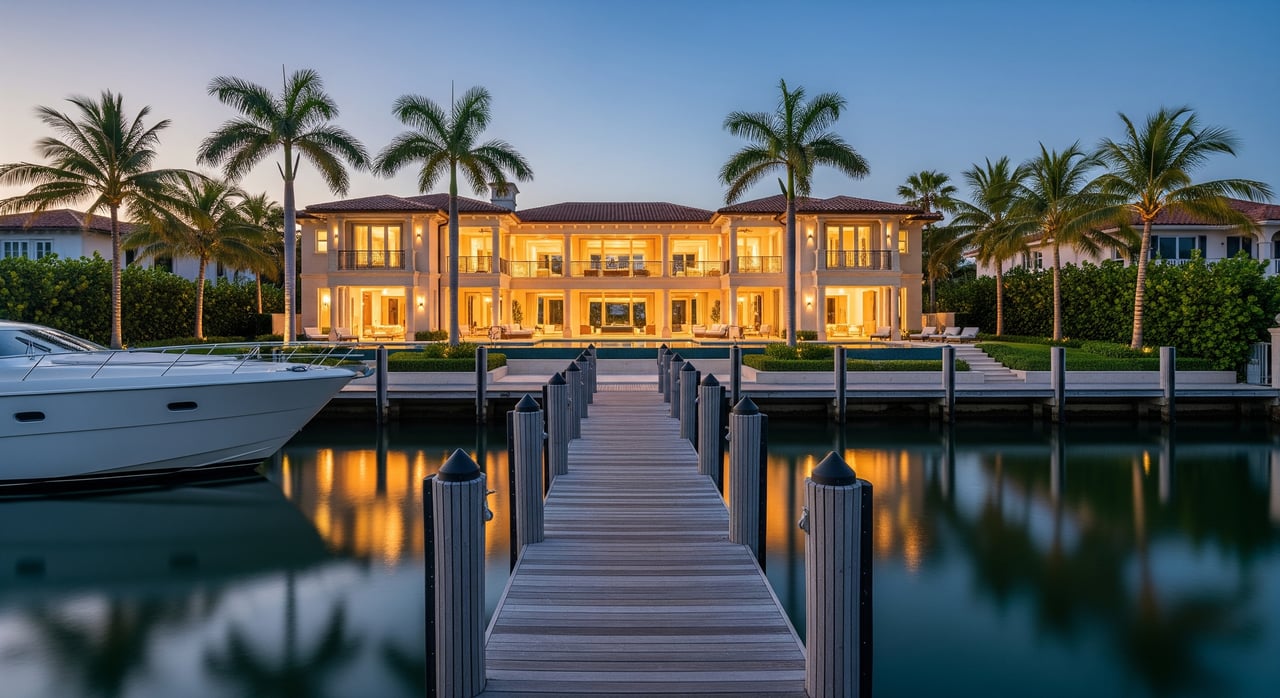
Selling a Waterfront Home in Manalapan With Stacy
November 27, 2025
November 27, 2025
Is your Manalapan waterfront home ready to meet its next owner? Selling along the Atlantic and Intracoastal brings unique questions about seawalls, flood zones, and boat access that most listings never face. You want a smooth sale, a strong price, and a clean closing. In this guide, you will learn exactly how to prepare, what to disclose, and how to market to qualified buyers who value deepwater access, privacy, and premium construction. Let’s dive in.
Manalapan is small, private, and highly affluent, with very limited inventory. Buyers often seek direct or deepwater access, privacy, and security, and many pay cash. Because sales are sparse, appraisals rely on limited comps, and the condition of your seawall, dock, and flood profile can materially shift value.
Seasonality matters. Peak interest typically runs late fall through spring, when seasonal residents are in town. If timing allows, listing during this window can increase showings and bring your ideal buyers to the table.
Getting ahead of specialized due diligence reduces friction and protects your price. Focus on the waterfront specifics that drive decisions.
Coastal boundaries in Florida often reference the mean high water line. Ownership seaward of that line can be restricted, and some docks or bulkheads sit over state‑owned submerged lands that require authorization or leases. Obtain a recent survey showing the shoreline, seawall, and any encroachments, and ask your title company or real estate attorney to confirm riparian rights and any state approvals tied to marine structures.
Many Manalapan properties sit in FEMA Special Flood Hazard Areas such as AE or V zones, with V zones carrying higher risk. Lenders typically require flood insurance for SFHAs, and an elevation certificate can help with underwriting and rating. Provide your current flood zone, any elevation certificate, and disclose known storm events, mitigation upgrades, and any claims history.
These are high‑impact value drivers. Buyers will want to see the seawall’s age, materials, and recent repairs or engineering assessments. For boating, they will ask for dock condition, piling status, lift capacity, depth at mean low water, and whether there are fixed bridges that limit boat size. If possible, order a professional seawall inspection, gather permit history, and prepare a one‑page dock spec sheet with dimensions, depth, and distance to open ocean or intracoastal connectors.
The Coastal Construction Control Line and local shoreline rules can limit changes and require mitigation. Mangrove protections and wetland regulations may affect trimming or alterations. Identify whether your property falls under any coastal programs and disclose known restrictions or pending projects that could affect the shoreline.
Flood insurance can be obtained through the NFIP or private carriers, and wind coverage may be separate in coastal Florida. Availability and premiums depend on zone, elevation, mitigation features, and claim history. Provide current declarations pages, past claims, and a list of mitigation upgrades such as impact glass, hurricane straps, a generator, or elevated mechanicals. Encourage buyers to explore quotes early.
Salt air accelerates corrosion and wear on metal components, HVAC systems, and pool equipment. Buyers will look closely at service records for the roof, HVAC, pool, and any marine maintenance. Consider pre‑listing inspections for major systems and a marine specialist review to anticipate and address questions.
In a niche market like Manalapan, strong pricing depends on the water. Deepwater access, absence of fixed bridges, dock depth, seawall length and condition, lot frontage, and privacy are central. On the home side, elevation, hurricane protection, renovations, and outdoor living features carry weight.
Expect appraisal challenges due to limited comps. Build a comp package that highlights true waterfront comparability rather than broad neighborhood averages. You can price to capture multiple bidders or aim for a targeted sale to a niche buyer, such as a yacht owner seeking quick open‑water access. Stacy will tailor this approach to your goals and timing.
High‑end buyers want to see and feel the water lifestyle. A strong plan includes:
Expect specialized inspections. Buyers may engage marine engineers, dock specialists, and standard home inspectors, and they may request environmental or shoreline reviews. Allow time for insurance binding and for appraisers to locate appropriate waterfront comparables.
Cash is common, but when financing is used, underwriters usually require flood insurance and sometimes an elevation certificate. Be prepared for appraisal discussions if comps are thin. At closing, confirm whether docks, lifts, utilities to the dock, or any beach access agreements need separate approvals or documented transfer. If your home is within an association, have HOA documents ready for timely delivery.
Selling a Manalapan waterfront home is part art, part documentation, and part timing. Stacy blends local knowledge with a high‑touch process that anticipates marine, insurance, and appraisal questions before they slow you down. With premium presentation and a private‑showing strategy, you attract serious buyers who understand the value of your dock, access, and construction.
Ready to plan your sale with confidence? Connect with The Homeseeker Group for a tailored strategy, complete documentation guidance, and professional marketing built for Manalapan waterfronts.
The Homeseeker Group | Schedule a consultation
Stay up to date on the latest real estate trends.
We’re more than agents—we’re local advocates, expert negotiators, and relentless problem-solvers. Let’s bring your real estate vision to life, together.