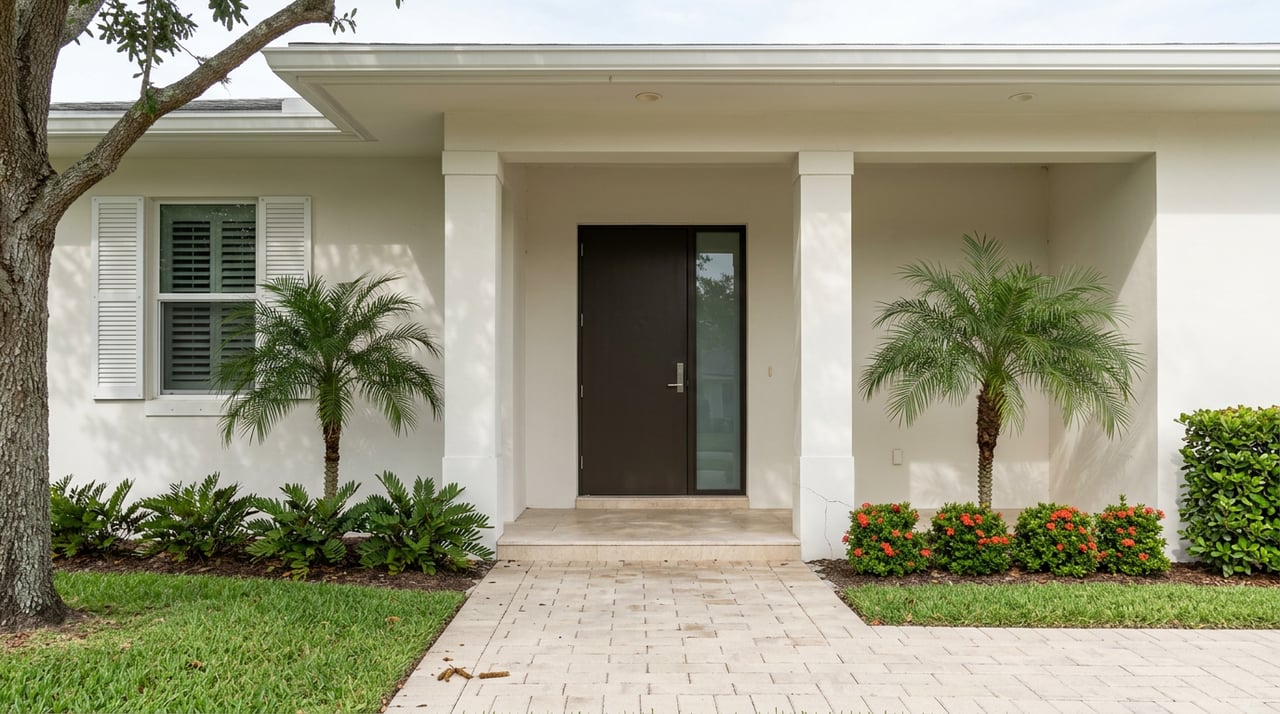
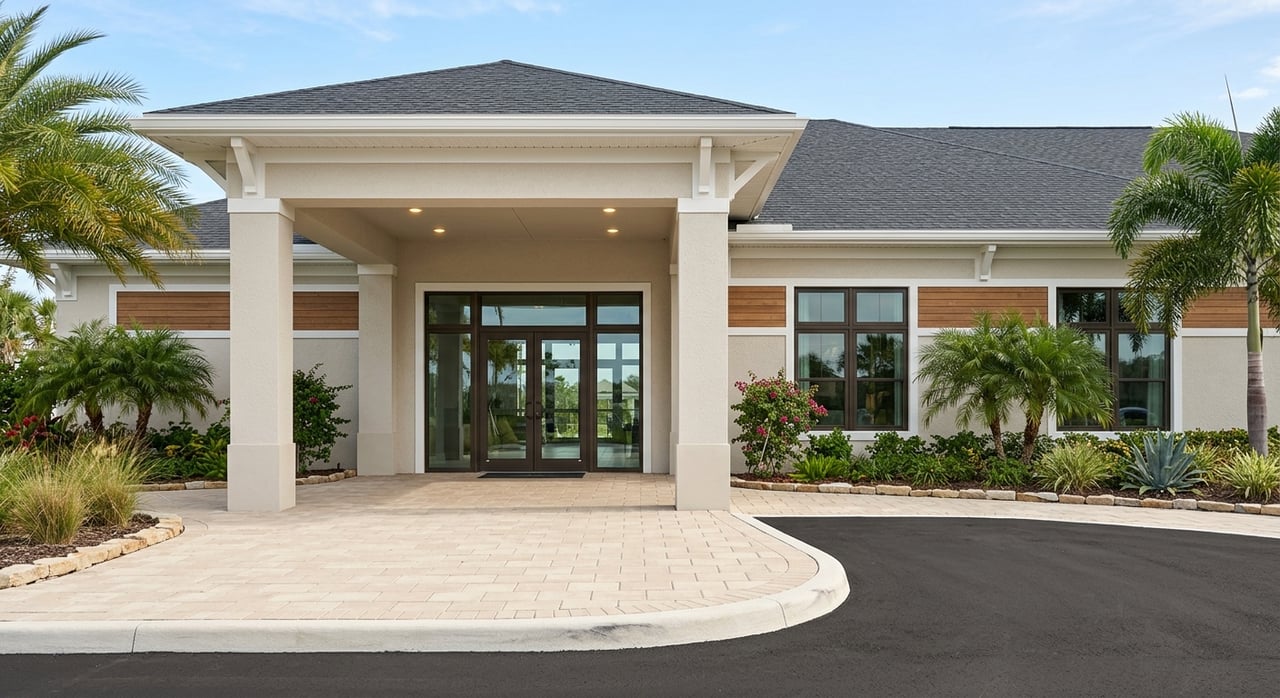
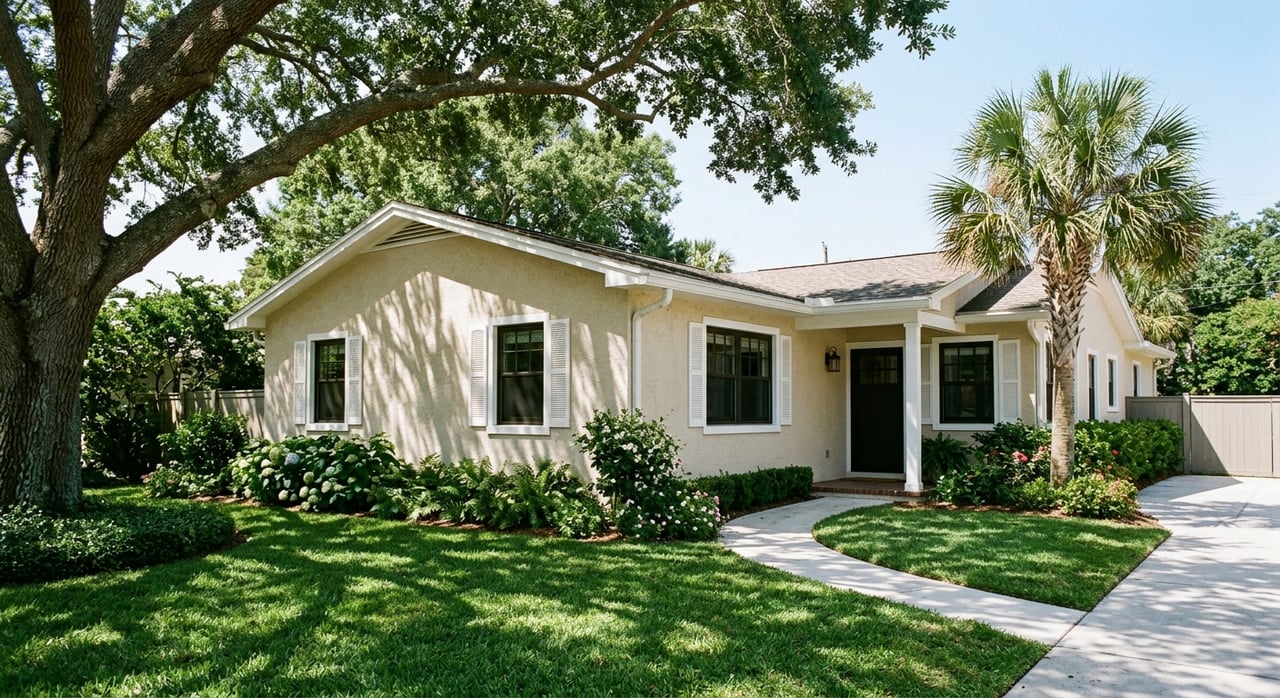
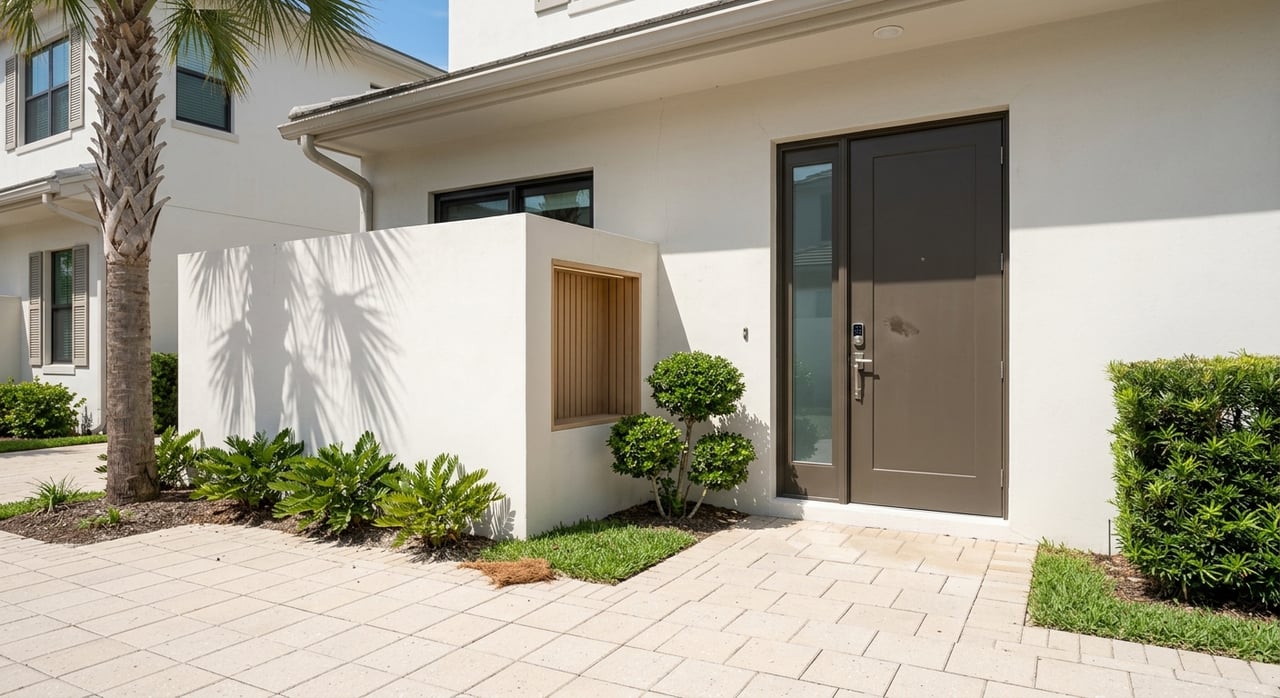
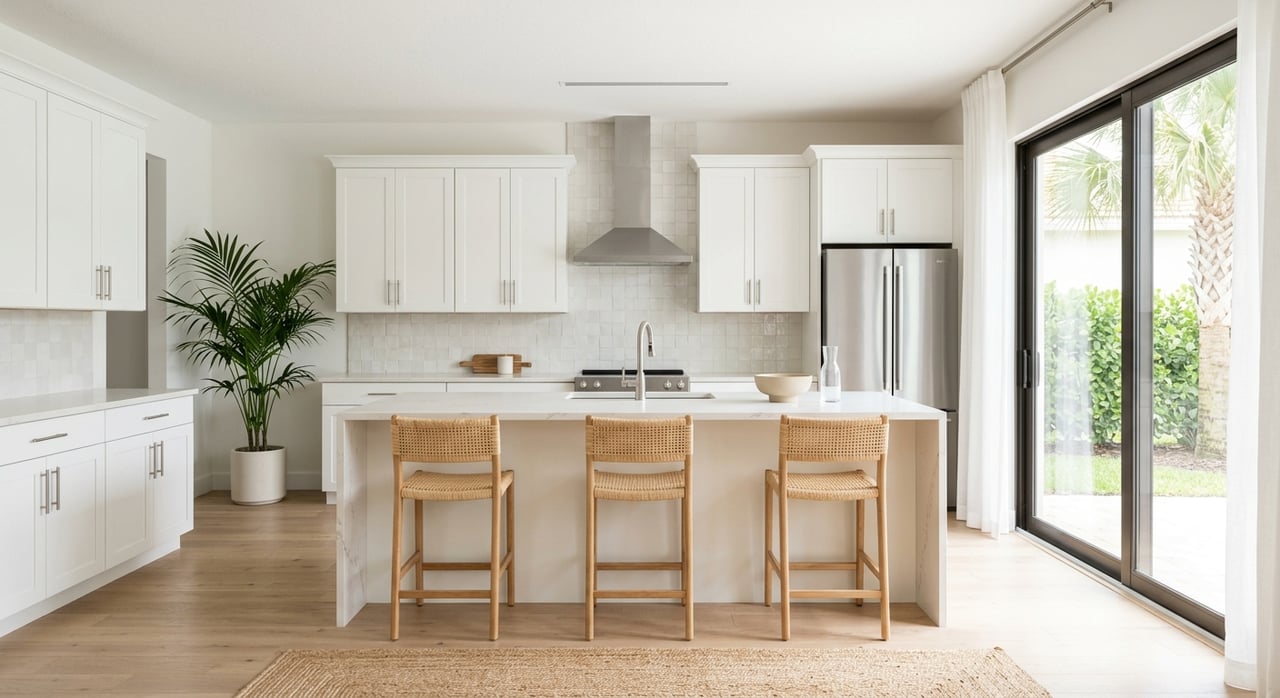
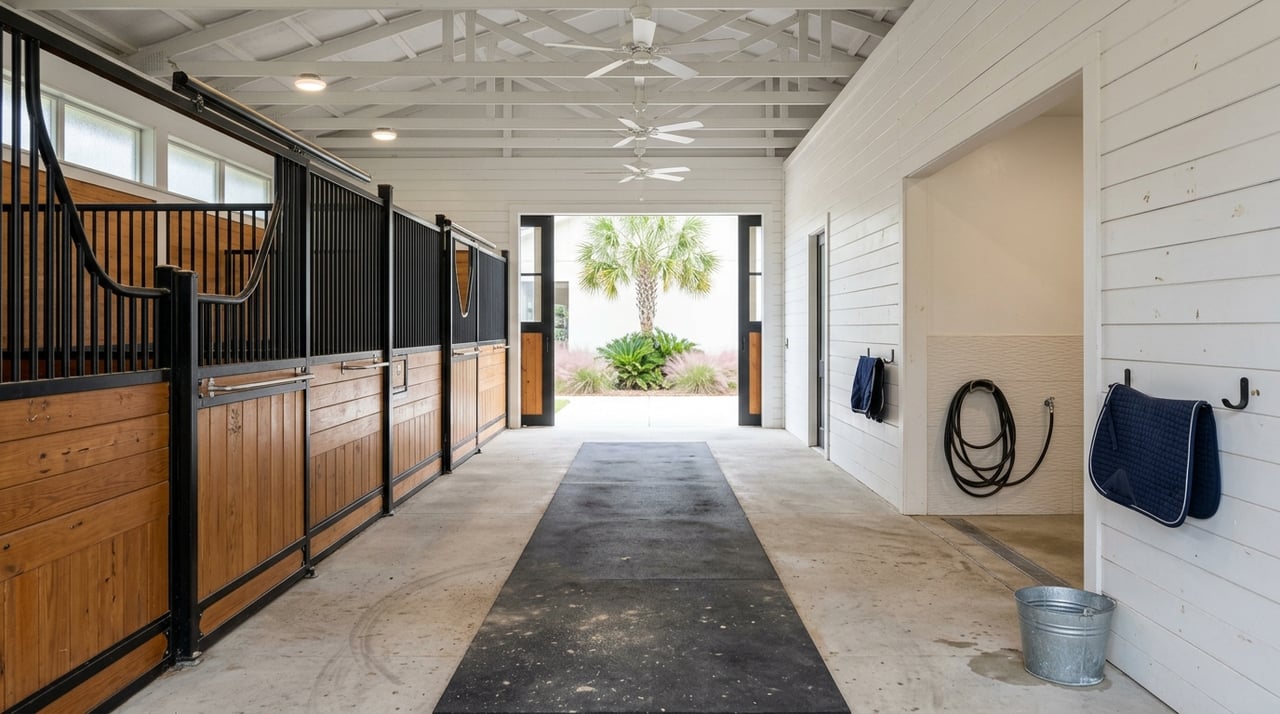
Trying to decide between a brand-new build or a well-kept resale in Wellington? You are not alone. In Palm Beach County’s fast-moving market, timing, insurance, and HOA rules can matter as much as price. This guide breaks down real costs, lifestyle tradeoffs, and key checks so you can choose with confidence. Let’s dive in.
Wellington factors that shape your choice
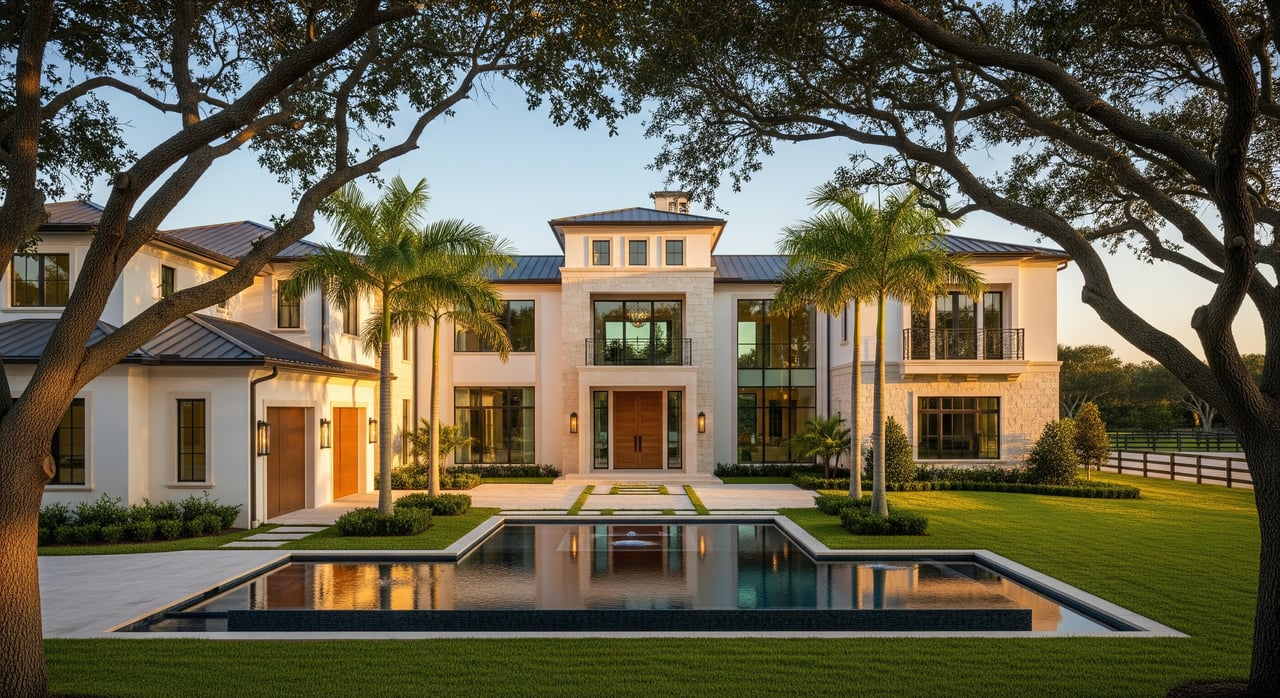
Wellington is a planned community with many gated neighborhoods, golf and club amenities, and a strong equestrian scene. That mix creates steady demand and specialized needs for some buyers, especially those looking for acreage or horse-ready features. Inventory can be tight in the most desirable communities, and seasonal demand can influence timing and negotiation.
Location and codes also matter here. Wind, hurricane exposure, and flood risk shape insurance and building requirements across Palm Beach County. Many homes are in HOA or master-planned communities, so monthly dues, rules, and architectural reviews often affect both cost and flexibility.
Cost comparison: where dollars differ
New construction and resale each carry distinct cost categories. Focus on these line items when you compare specific homes:
Purchase price and premiums
- New homes typically command a premium for modern design, energy features, and builder warranties.
- Resales reflect condition and seller motivation. You may find more room to negotiate if updates are needed.
Closing costs and incentives
- Builders may offer incentives like closing-cost help, rate buydowns, or design upgrades. Compare the net effect, not just the headline offer.
- Resale transactions include standard title, recording, and lender fees. Pre-listing inspections or repairs can shift who pays for what.
Financing and timing
- New construction can require construction or construction-to-perm loans, with interest-only draws during the build and a later conversion to permanent financing.
- Resales typically follow a standard mortgage timeline, often allowing a quicker close.
Appraisals and comparables
- Appraisals on new builds can be tricky if a community lacks recent similar sales. Specialized properties, such as equestrian estates, may need unique appraisal expertise.
- Resales rely on established comps in the neighborhood, which can support more predictable valuations.
Property taxes and assessments
- New construction is reassessed based on the finished home. Some communities include development or infrastructure assessments.
- Resales have a visible tax history. Check historical trends to estimate future carrying costs.
Insurance: wind and flood
- New homes often meet current Florida Building Code standards and may qualify for wind mitigation credits.
- Older resales may need upgrades like impact windows or roof-to-wall connections to manage premiums.
HOA dues and maintenance
- Many new communities include extensive amenities covered by HOA dues. Account for recurring assessments in your monthly budget.
- Resales may have existing dues that can change, or no HOA at all. Older systems can add near-term repair costs.
Upgrades and customization
- New builds let you personalize finishes and features, but option pricing can add up quickly.
- Renovating a resale can deliver strong value, depending on scope, permitting, and contractor availability.
Insurance, taxes, and HOA realities
Insurance is a key differentiator in coastal Florida. Wind resistance, roof age and type, and flood zone designation drive premiums in Palm Beach County. Newer construction can lower risk exposure through current code compliance and mitigation features, while older homes may need retrofits to achieve similar benefits. Always compare quotes for both homes you are considering.
Property taxes change with assessed value. A new build will be assessed after completion, and a resale gives you a historical baseline to study. Factor in any community development or special assessments.
HOAs vary widely. Compare dues, reserve strength, and the scope of amenities and services. Rules and architectural control can be more detailed in master-planned and equestrian areas, which may help preserve community standards but can affect flexibility.
Financing and appraisal differences
Construction-to-perm loans work differently than standard mortgages. Expect interest-only payments during construction, documentation on draws, and two-stage underwriting that converts to a permanent loan at completion. Builders sometimes partner with preferred lenders offering incentives. Evaluate whether the incentive offsets long-term loan costs.
Appraisals for new subdivisions can be challenging if there are limited same-model resales. Appraisers may look to nearby phases or similar communities, which can influence loan-to-value and down payment. For specialized properties like equestrian parcels, ask your lender about appraisal requirements and any added equity expectations.
Lifestyle tradeoffs beyond cost
Timeline and convenience
- New builds require patience. Supply chain, permitting, and weather can shift timelines.
- Resales often close within a typical 30 to 60-day window, which suits immediate occupancy.
Predictability and certainty
- New construction offers known layouts and new systems, supported by builder warranties.
- Resales require thorough inspections. Older systems can bring surprises after closing.
Quality, codes, and resilience
- New homes must meet current building codes for wind resistance, energy, and electrical safety.
- Older homes may need targeted retrofits to reach similar resilience and insurance credits.
Customization and lifestyle fit
- New builds let you choose finishes and plan options for a move-in-ready feel.
- Resales often deliver mature landscaping, established outdoor spaces, and sometimes larger lots.
Community and amenities
- New developments can feature modern amenities like fitness centers and gated entries, often with higher HOA dues.
- Established neighborhoods offer community character and mature infrastructure.
Seller insights in a new-build market
New construction nearby can influence buyer expectations on finishes, floor plans, and pricing. If you are listing a resale in Wellington, focus on strategic upgrades that reduce objections. Roof condition, impact windows, HVAC, and a fresh interior often resonate with buyers comparing your home to new builds.
Consider a pre-listing inspection to surface issues and keep negotiations smooth. Decide whether targeted concessions, such as a rate buydown, would attract more buyers than a large renovation. Highlight what your neighborhood offers that new communities may not, such as lot size, elevation, or established landscaping.
Quick checklists for clarity
Buyers: compare a new build and a resale
- Get a written list of what is included in the base price and what counts as an upgrade.
- Review all warranties: structural, systems, and appliances, with coverage terms and claim process.
- Ask for a net cost sheet for both options, including incentives and closing costs.
- For resales, review historical tax bills. For new builds, estimate the post-construction assessment.
- Confirm the flood zone and request elevation documentation or insurance history as available.
- Compare HOA dues, services, rules, and any pending assessments.
- Ask your lender about appraisal strategy and available comparable sales.
- Nail down the build timeline and what happens if there are delays.
Sellers: compete with new construction
- Prioritize improvements that narrow the gap to new homes, such as roof, windows, HVAC, or a light kitchen and bath refresh.
- Weigh concessions like closing-cost help or a rate buydown against renovation cost and time.
- Assemble permits, warranties, repair receipts, and recent inspections into a buyer-friendly packet.
- Consider a pre-listing inspection or a home warranty to reduce perceived risk.
Insurance and risk checkpoints
- Compare current insurance quotes, including wind and flood, for both properties.
- Confirm flood zone and elevation and note any available mitigation features.
- Ask about wind mitigation details: roof type and age, roof-to-wall connections, impact-rated glass, shutters, and elevated mechanicals.
Making the decision in Wellington
If you value customization, new systems, and code-level resilience, new construction can be compelling. If you want established neighborhoods, quicker closings, and potential value in renovations, a resale may be the right fit. In Wellington, location, HOA terms, and risk profile often tip the scale as much as price.
When you are ready to compare specific addresses, we can help you model total monthly carry, insurance scenarios, HOA impact, and timeline. If you want a calm, clear path from short list to closing, connect with The Homeseeker Group to get started.
FAQs
Will a new home in Wellington cost less to insure?
- It can, since new homes often meet current wind mitigation and building-code standards that may qualify for credits, but location and flood risk still drive premiums.
Is new construction worth the wait in Palm Beach County?
- It depends on your priorities: choose new if you want customization and modern systems, choose resale if you need faster occupancy and less construction risk.
Do new homes hold value better in Wellington?
- New homes can command an initial premium and have lower near-term maintenance, but long-term value depends on location, lot size, community appeal, and market cycles.
Are there hidden costs when building in Wellington?
- Watch for lot premiums, upgrade pricing, impact fees, change orders, and potential community development assessments in addition to the base price.
How should I compare HOA communities in Wellington?
- Review dues, what they cover, reserves and assessment history, and rules that affect how you plan to use the property, including any architectural controls.