
Choosing Between East and West Delray Beach Living
November 14, 2025
November 14, 2025
Torn between the beach buzz near Atlantic Avenue and the extra space you get farther inland? You are not alone. Choosing where to live in Delray Beach often starts with a simple question: east or west. In this guide, you will see how each side differs in housing, lifestyle, costs, and risks so you can match your choice to your goals. Let’s dive in.
For this comparison, east means the beach and downtown corridor, generally the area between the Atlantic Ocean and U.S.-1, including the Atlantic Avenue core. West means areas west of U.S.-1 that extend past I-95 into Delray’s suburban neighborhoods. This is a high-level view, since Delray has many micro-neighborhoods and gated communities.
If you are deciding between specific streets or subdivisions, review a city or neighborhood map and compare exact addresses for clarity.
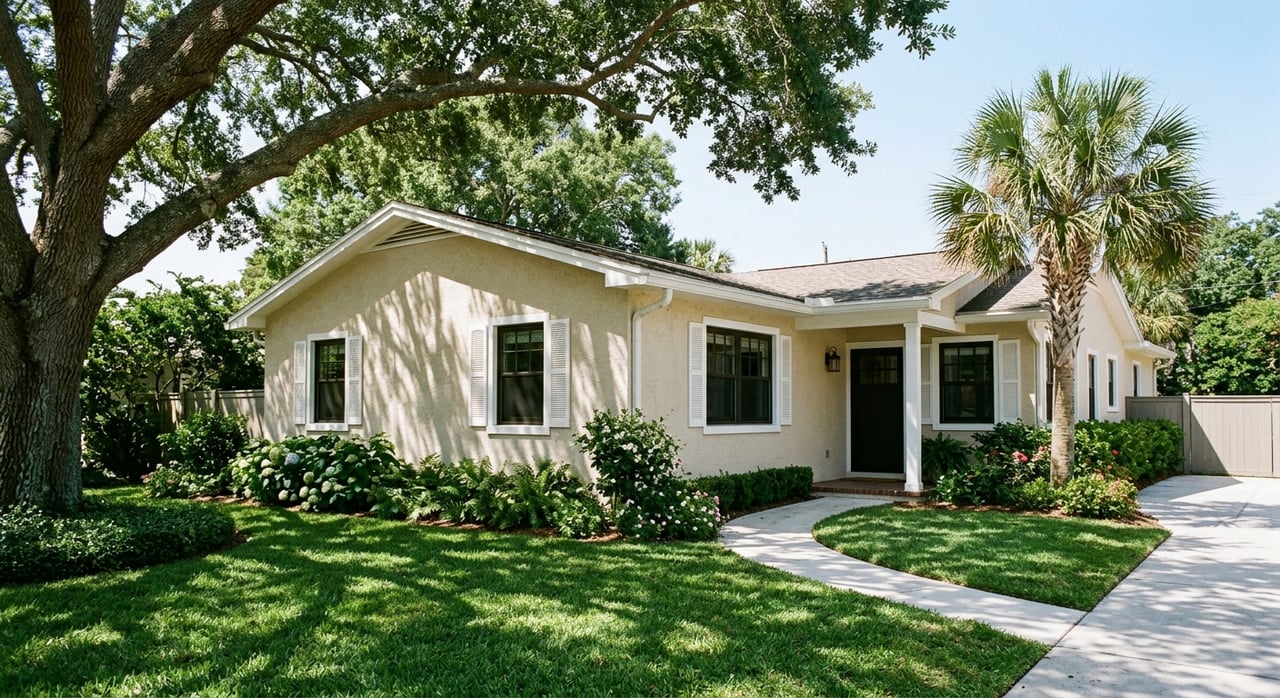
You will see a higher mix of beachfront and near-beach condominiums, boutique condo buildings, older single-family cottage homes, and historic bungalows. Some pockets include newer townhomes and infill developments. The strongest draws are ocean views, walkability to Atlantic Avenue, and historic charm in select streets.
Buyers here often prioritize lifestyle and convenience. That can include second-home owners, downsizers, and investors exploring short-term rental potential, subject to local rules.
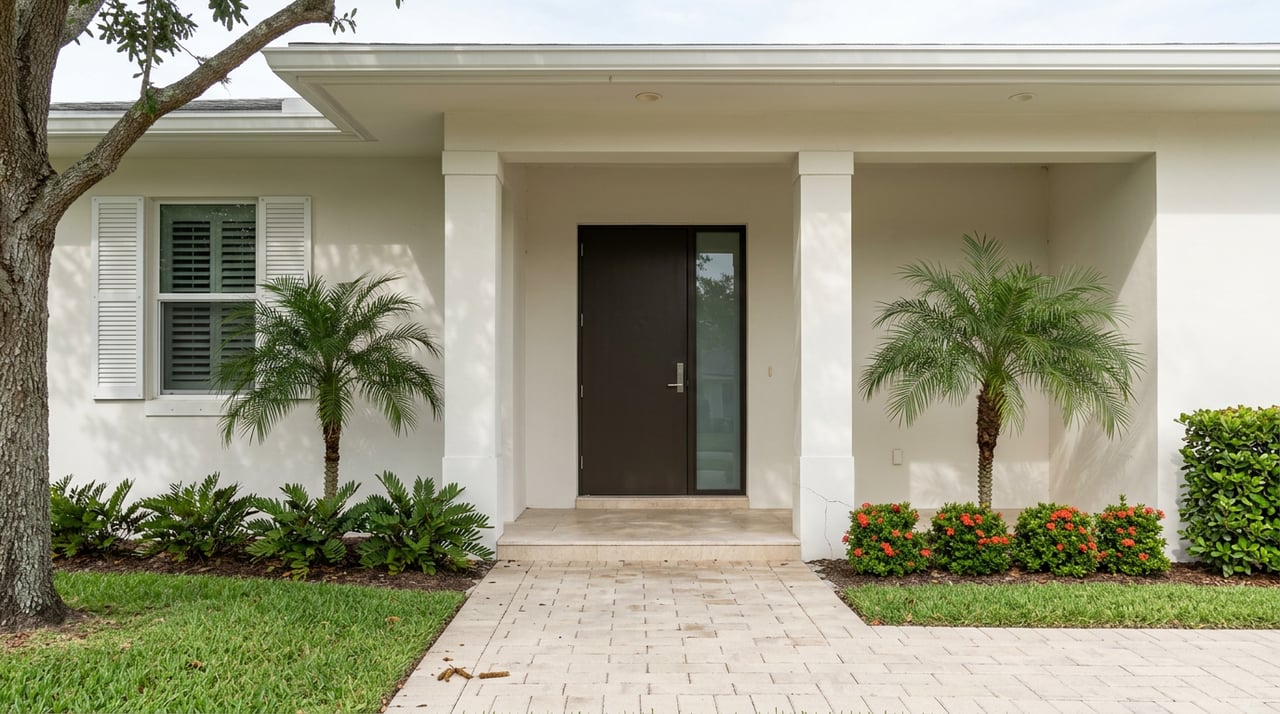
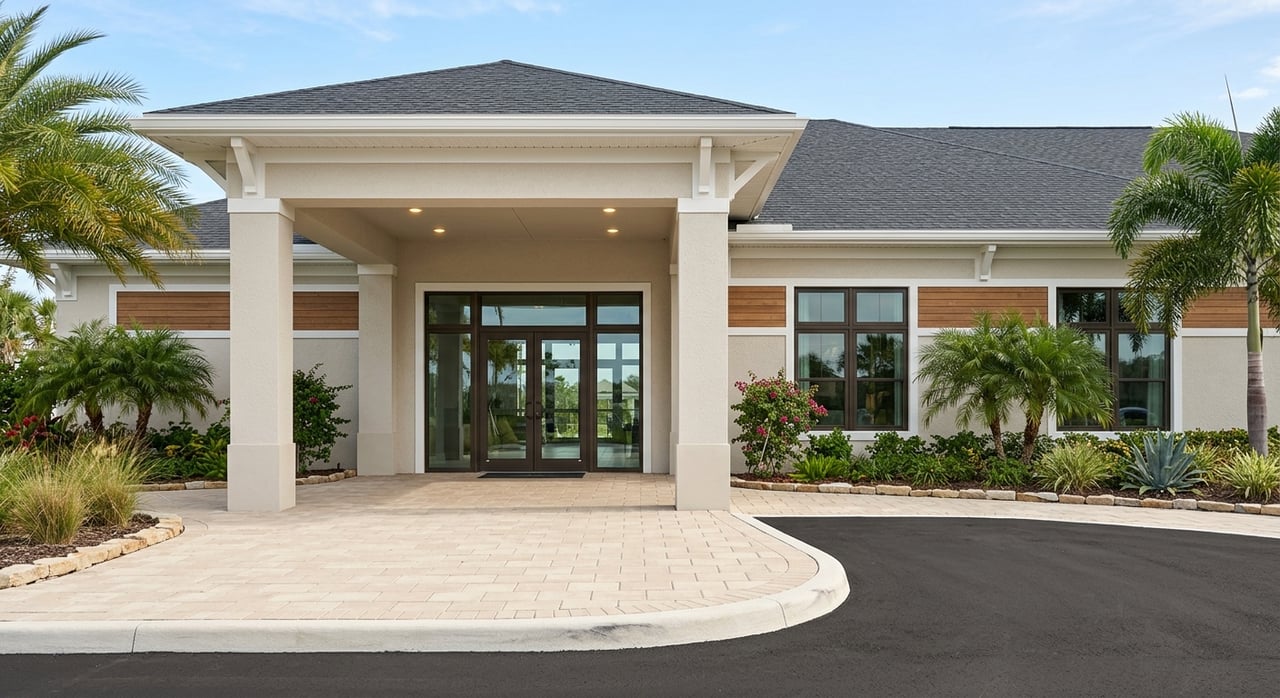
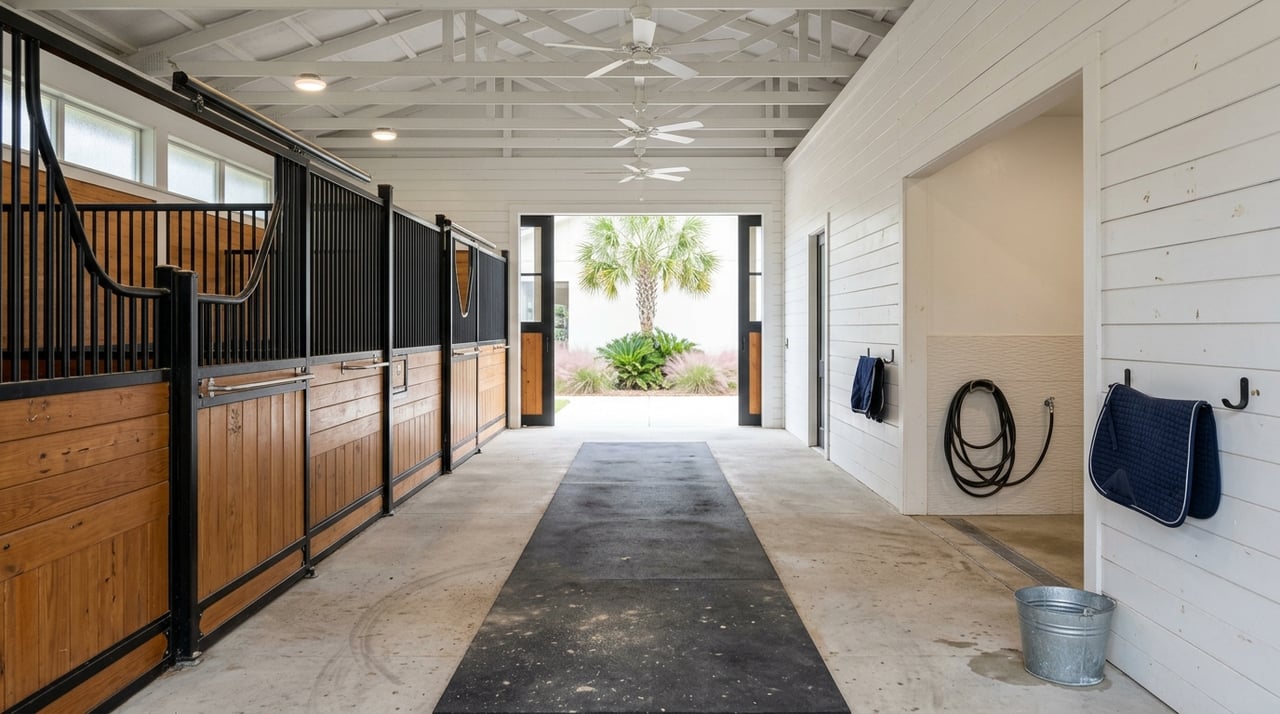
Further inland, you will find more single-family homes on larger lots, newer subdivisions and gated communities, townhomes, and lifestyle communities with amenities like pools and clubhouses. You may also see small farms or equestrian parcels as you go farther west.
Buyers here often seek more interior square footage and yard space for the price, a quieter residential feel, and access to everyday conveniences.
In general, the closer you get to the beach and downtown, the higher the price per square foot. That premium reflects location and walkability. Inland properties typically offer more interior space and larger lots for the same total budget.
Local variations matter. A renovated inland home can outprice an older east-side property. Always compare recent nearby sales and current condition before deciding where you get the best value.
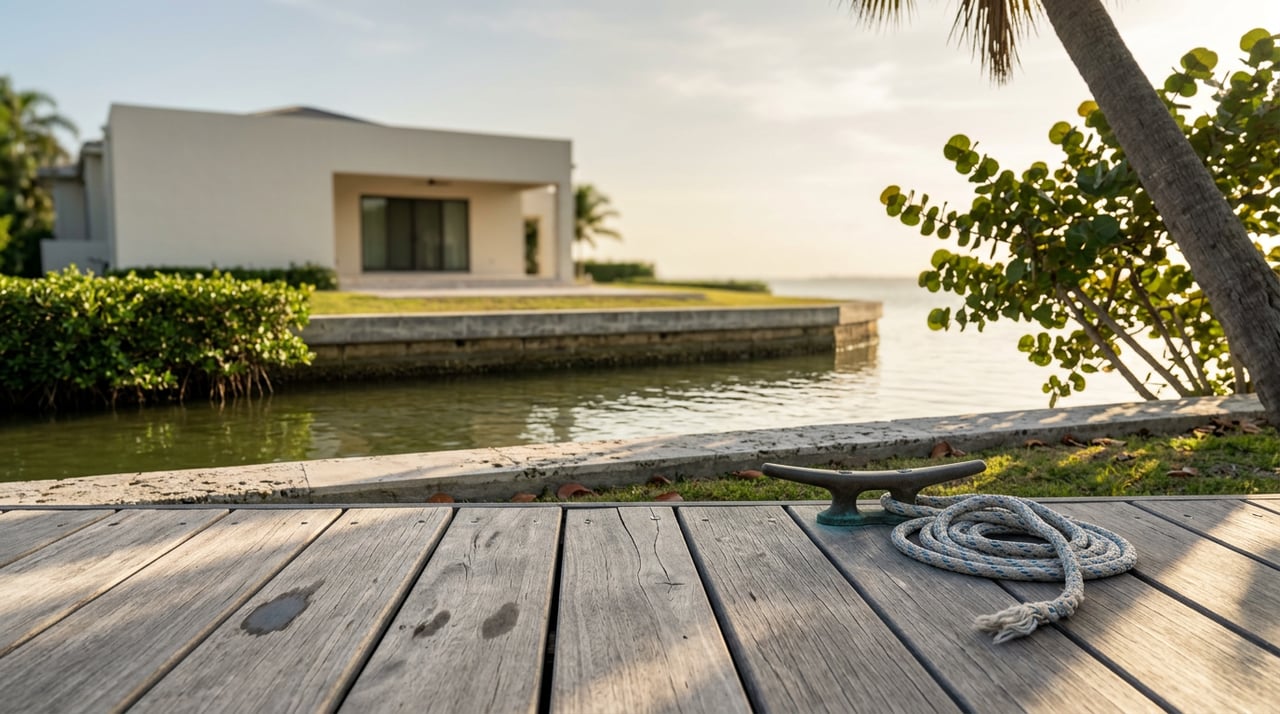
Living close to the beach and Atlantic Avenue puts restaurants, shops, galleries, and cultural events at your doorstep. The area is pedestrian oriented with frequent seasonal activity. You will enjoy easy coastal recreation and a lively atmosphere, along with the tradeoffs of occasional crowding, noise, and tighter parking.
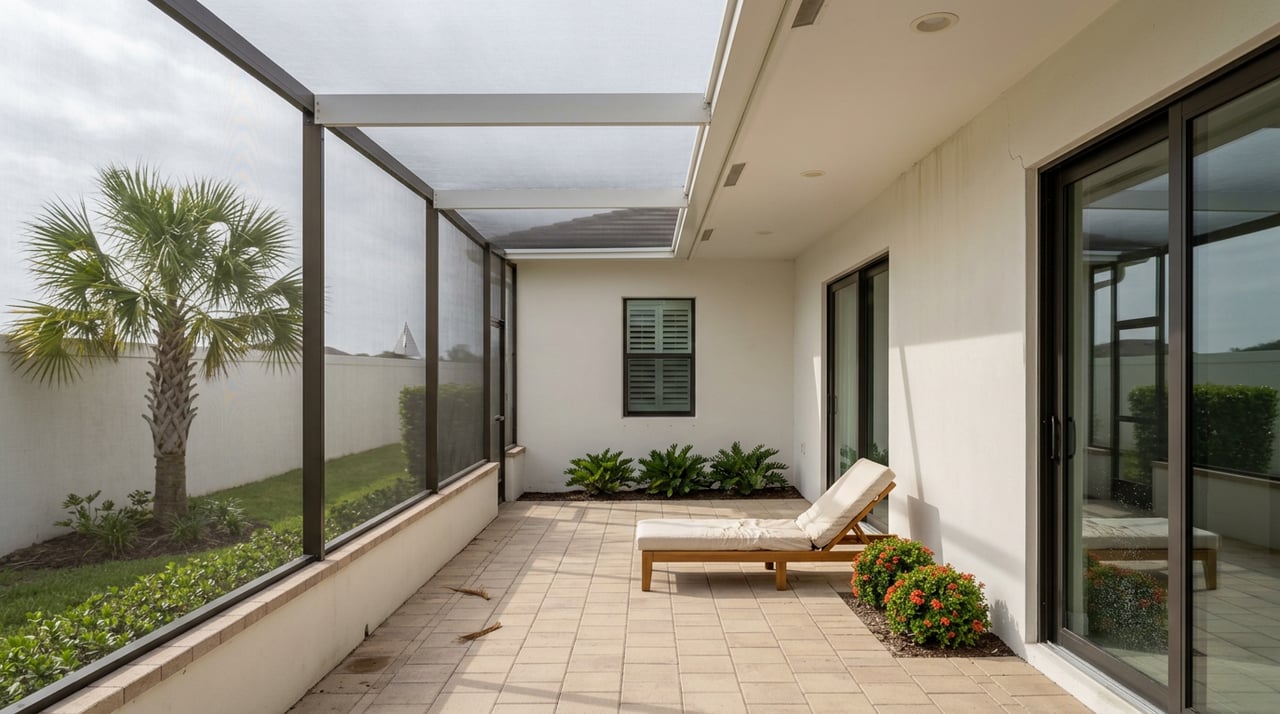
West Delray leans residential and calm. Daily life often revolves around larger grocery and retail centers, neighborhood parks, and on-site amenities within communities. Streets are quieter, parking is easier, and you typically rely more on driving to get around.
Key corridors include Atlantic Avenue, U.S.-1, I-95, and Linton Boulevard. Many residents commute to West Palm Beach or Boca Raton. East can be close to downtown employment and leisure, while west can offer convenient highway access for regional commutes.
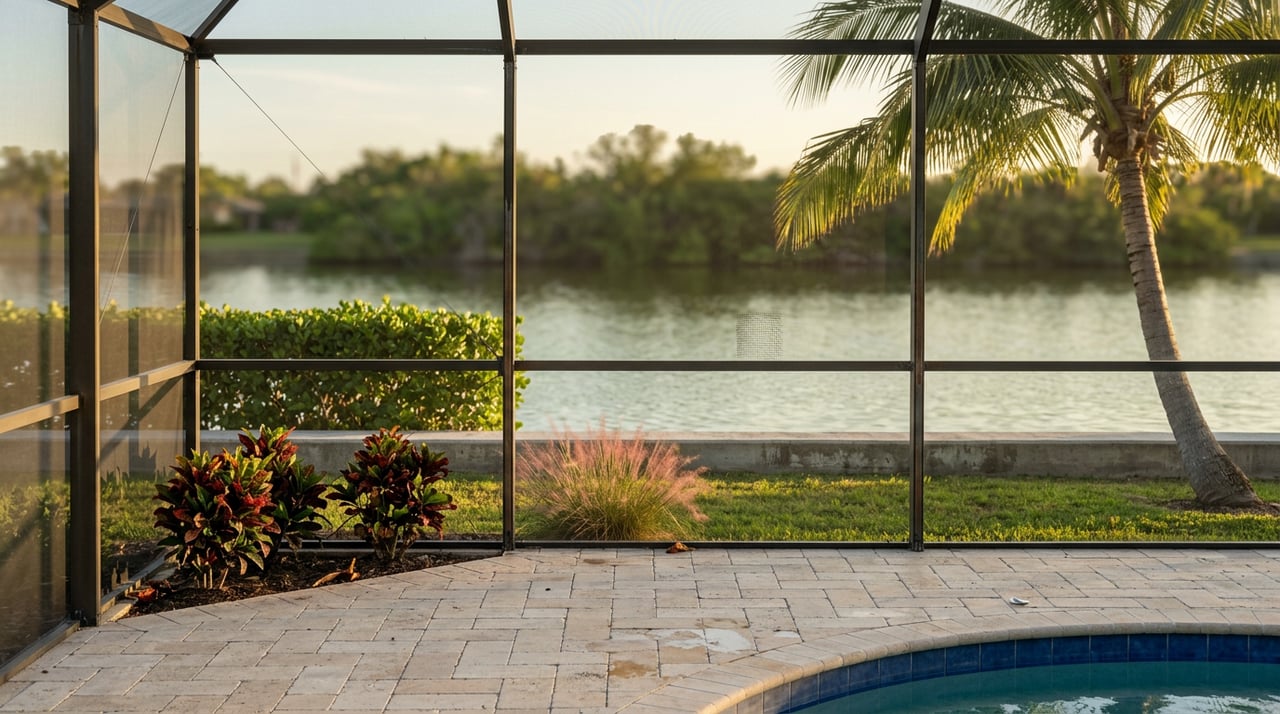
Coastal and nearshore properties tend to have higher exposure to flooding and storm surge. Many east-side properties fall within FEMA-designated flood zones and may require flood insurance. West areas are generally at higher elevation with lower direct coastal flood risk, though heavy rain and localized flooding can occur anywhere in the county.
Smart steps:
Insurance costs in Florida can vary based on roof age and condition, hurricane shutters, and wind mitigation features. Coastal exposure on the east side can increase wind and hurricane insurance premiums. Ask for insurance quotes and a wind mitigation report during your due diligence period.
Property taxes are assessed by Palm Beach County, and Florida’s homestead exemption is available for qualifying primary residences. East often has higher assessed values per square foot. Condos and townhomes on the east side may carry monthly association fees that cover building maintenance, common area insurance, and amenities. West Delray also includes many HOA communities, though you will find single-family homes without HOA as well.
When considering an HOA or condo, review budgets, reserves, and any special assessment history.
Short-term rentals are regulated by the city and can be limited or require licensing. Always confirm local ordinances and HOA rules before assuming any rental income. Any renovations or additions must go through City of Delray Beach planning and permitting. Coastal construction may have added restrictions.
Public schools are part of the School District of Palm Beach County. Attendance boundaries vary by address, so verify school assignments for a specific property directly with the district. West Delray often clusters more single-family homes near parks and schools, while east may offer fewer large yards and a higher concentration of condos.
Lean into the lifestyle. Emphasize walkability to Atlantic Avenue, proximity to the beach, and unique property character such as historic details or ocean views. If the home is updated for coastal living, showcase low-maintenance features and any storm protection upgrades.
Showcase space and function. Highlight lot size, indoor-outdoor living, bedroom count, storage, and community amenities. If your home has newer systems, a newer roof, or energy-efficient features, bring those forward to help buyers understand long-term cost of ownership.
Ready to compare specific neighborhoods or list your home with professional marketing? Schedule a consultation with The Homeseeker Group for clear, local guidance tailored to your goals.
Stay up to date on the latest real estate trends.
We’re more than agents—we’re local advocates, expert negotiators, and relentless problem-solvers. Let’s bring your real estate vision to life, together.