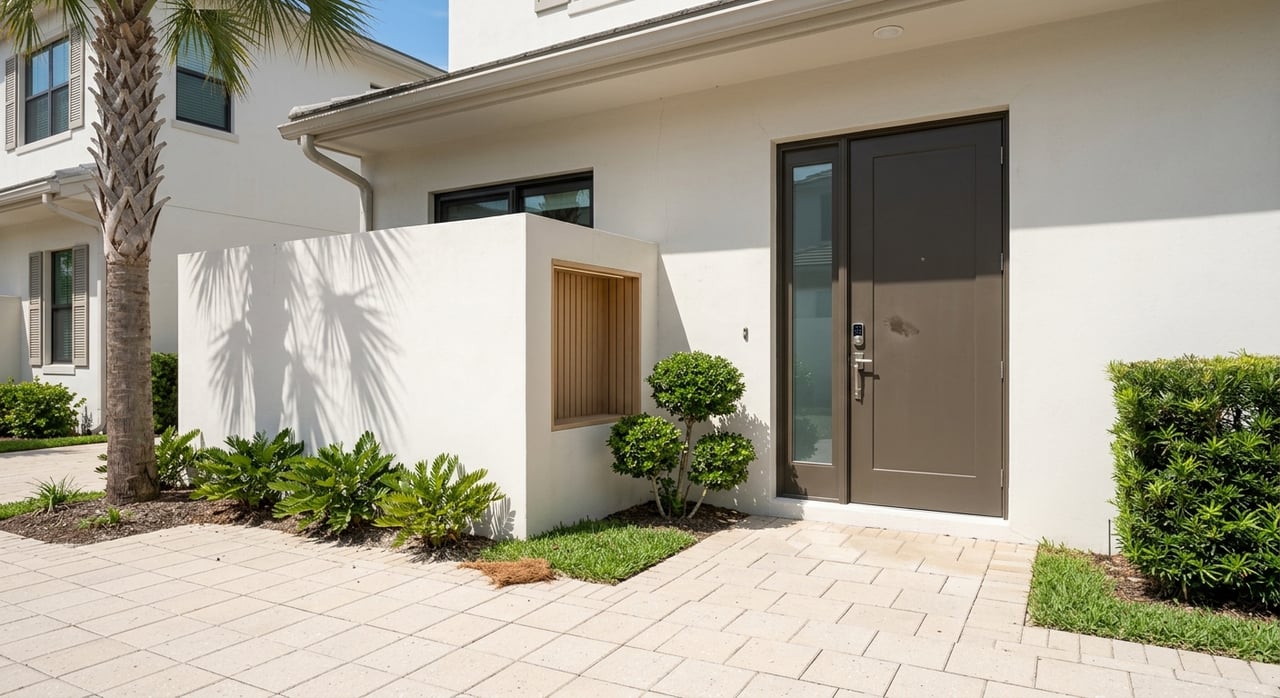
Lock And Leave Living In Delray Beach: Condo And Townhome Options
July 9, 2026
July 9, 2026
If you love the idea of closing the door and heading to dinner on Atlantic Avenue, a weekend flight, or a seasonal trip without worrying about mowing, exterior repairs, or pool upkeep, lock-and-leave living in Delray Beach can feel like a smart fit. It appeals to buyers who want convenience, a coastal lifestyle, and fewer day-to-day home responsibilities. The key is knowing that not every condo or townhome offers the same level of ease, and the details matter more than the label. Let’s dive in.
In Florida, lock-and-leave is a lifestyle term, not a legal property type. It usually refers to condos or townhomes where the association handles much of the exterior maintenance, common-area care, and amenity upkeep, which can make the home easier to leave for stretches of time.
That setup is often appealing if you are a seasonal resident, frequent traveler, busy professional, or downsizer. You still own the home and still need to follow association rules, pay monthly assessments, and review community documents carefully. The difference is that many of the routine exterior tasks are often handled at the community level.
For condos in particular, Florida law generally places maintenance of common elements on the association unless the governing documents say otherwise. Condo common expenses may also include items like maintenance, insurance, road maintenance, communications, transportation services, and security services. That is why monthly fees can sometimes support much more than landscaping alone.
Delray Beach works well for lock-and-leave living because so much of the city’s appeal is packed into a relatively compact area. Atlantic Avenue anchors the downtown core, and Delray Municipal Beach sits at the avenue’s east end with 1.5 miles of coastline.
If you want a lower-maintenance home base, that layout can be a real advantage. You may be able to spend more time enjoying restaurants, the beach, and local events, and less time managing a larger property.
The city also supports a more convenient routine with public downtown parking lots and garages, on-street parking, a downtown resident parking permit program, and the Freebee on-demand shuttle around historic downtown. Access from I-95 via Atlantic Avenue also helps if travel convenience is high on your list.
One practical point to keep in mind is that parking rules are more tightly managed in the most walkable areas. The downtown resident permit is not valid on Atlantic Avenue, at the beach, or east of the Intracoastal. If you are drawn to those areas, it is worth understanding the parking setup before you buy.
If you want to be close to dining, shops, and downtown activity, this area is often the first place to look. It can work well for buyers who value walkability and want a home that feels connected to the heart of Delray Beach.
Condos and townhomes here may also suit buyers who travel often and prefer a more compact home with community-managed upkeep. Just be sure to review parking, guest access, and leasing rules closely, since these details can shape how easy the property is to use.
For buyers focused on a coastal routine, beachside areas east of the Intracoastal can offer quick access to the ocean and nearby dining. This can be especially appealing if your goal is to keep life simple and spend more time enjoying the water than maintaining a home.
These locations are often highly desirable, which makes due diligence even more important. In a true lock-and-leave setup, location is only half the story. The community’s maintenance responsibilities and financial planning matter just as much.
Waterfront pockets in Delray Beach can also fit the lock-and-leave lifestyle, especially if you want access to the Intracoastal or a water-oriented setting without the upkeep that can come with a detached home. Depending on the community, you may find a blend of convenience, amenities, and strong access to both downtown and the beach.
Because these communities vary widely, it helps to compare what the association actually covers. Two homes with similar locations may offer very different day-to-day ownership experiences.
If you are comparing condos, focus on the features that reduce owner call-backs and simplify daily life. The most useful amenities are often the practical ones, not just the flashy ones.
Look for features such as:
These amenities can support a more convenient ownership experience, especially if you are away part of the year. In Florida, some of these services can also be treated as legitimate common expenses when they benefit unit owners, including security services and transportation-related costs.
That means a higher monthly condo fee is not automatically a negative. In some buildings, it may reflect staffing, convenience, maintenance, insurance obligations, and reserve funding that all support a more dependable lock-and-leave lifestyle.
Townhomes can also be a great fit, but they require a closer look at the governing documents. Some Delray Beach townhome communities function a lot like condos from a maintenance standpoint, while others leave much more responsibility with the owner.
That is why the main question is simple: What exactly does the HOA maintain? Shared grounds are one thing, but exterior walls, roofs, landscaping, and structural components can vary by community.
When you review a townhome, pay close attention to whether the HOA covers:
A townhome may offer the space and layout you want, but it is only truly lock-and-leave if the maintenance structure matches your lifestyle.
Delray Beach has a wide mix of condo and townhome communities, and local examples help show how different lock-and-leave options can be.
Delray Beach Club Residences includes both condos and townhomes on the Intracoastal across from the Atlantic Ocean. It advertises a private beach path, 24-hour security, designated covered parking, and on-site management, which are all features many buyers look for in a lower-maintenance coastal property.
Atlantic Grove Townhome Association is a 55-townhome community in downtown Delray Beach with a pool. Its documents also require approval for lease and resale activity as well as exterior modifications, which is common in communities with a more managed ownership structure.
Gramercy Square says its townhome fees include exterior structural and landscaping care, along with cable, a pool and cabana area, and a fitness facility. That kind of fee structure may appeal to buyers who want more predictable upkeep handled through the association.
Murano is described as a gated condo community just off Atlantic Avenue with a pool, fitness facility, clubhouse, playground, and secure entry. For buyers who want access to downtown with a community amenity package, that can be an attractive combination.
Delhaven is a boutique condo community on the Intracoastal near the beach, with a pool and a close-in coastal setting. For buyers who want a simpler beachside routine, this type of location can fit the lock-and-leave goal well.
A lock-and-leave purchase should always come with careful document review. In Delray Beach, the most important question is not whether a home is called a condo or a townhome. It is what the association maintains, how it is funded, and what restrictions apply.
Before making an offer, review the declaration, bylaws, current budget, reserve funding plan, inspection reports, and any restrictions related to rentals, pets, parking, or approvals. For condo units, the Florida Department of Business and Professional Regulation says structural inspection reports and reserve studies are part of the association’s official records and must be provided to potential purchasers.
This is especially important in condominium buildings affected by Florida’s current inspection and reserve requirements. For many buildings that are three habitable stories or higher, milestone inspections are required at age 30, or age 25 in some coastal or local circumstances.
Reserve strength now plays a major role in evaluating a condo. If a building is subject to structural integrity reserve study rules, reserve funding can directly affect monthly costs and the risk of future special assessments. In other words, a beautiful location does not automatically equal easy ownership.
If you are serious about lock-and-leave living in Delray Beach, these questions can help you compare options more clearly:
The right answer depends on your goals. Some buyers want to be able to walk to dinner and the beach. Others care more about easy airport access, covered parking, secure entry, or fewer maintenance surprises.
The best lock-and-leave home in Delray Beach is the one that matches both your lifestyle and your comfort level with association structure. A downtown condo, a beachside boutique building, and a townhome with broad HOA coverage can all work well, but they solve different problems.
If you want maximum convenience, a condo with secure access, on-site management, and strong reserve planning may be the better fit. If you want a little more space and a more residential feel, a townhome could make sense, as long as the HOA handles enough of the exterior upkeep to support the lifestyle you want.
That is where local guidance can make a real difference. Comparing locations is important, but comparing documents, fees, maintenance obligations, and community rules is what helps you buy with confidence.
If you are exploring condos or townhomes in Delray Beach and want help narrowing down the options, The Homeseeker Group can help you evaluate communities, compare ownership responsibilities, and find a home that truly fits the way you want to live.
Stay up to date on the latest real estate trends.

We’re more than agents—we’re local advocates, expert negotiators, and relentless problem-solvers. Let’s bring your real estate vision to life, together.