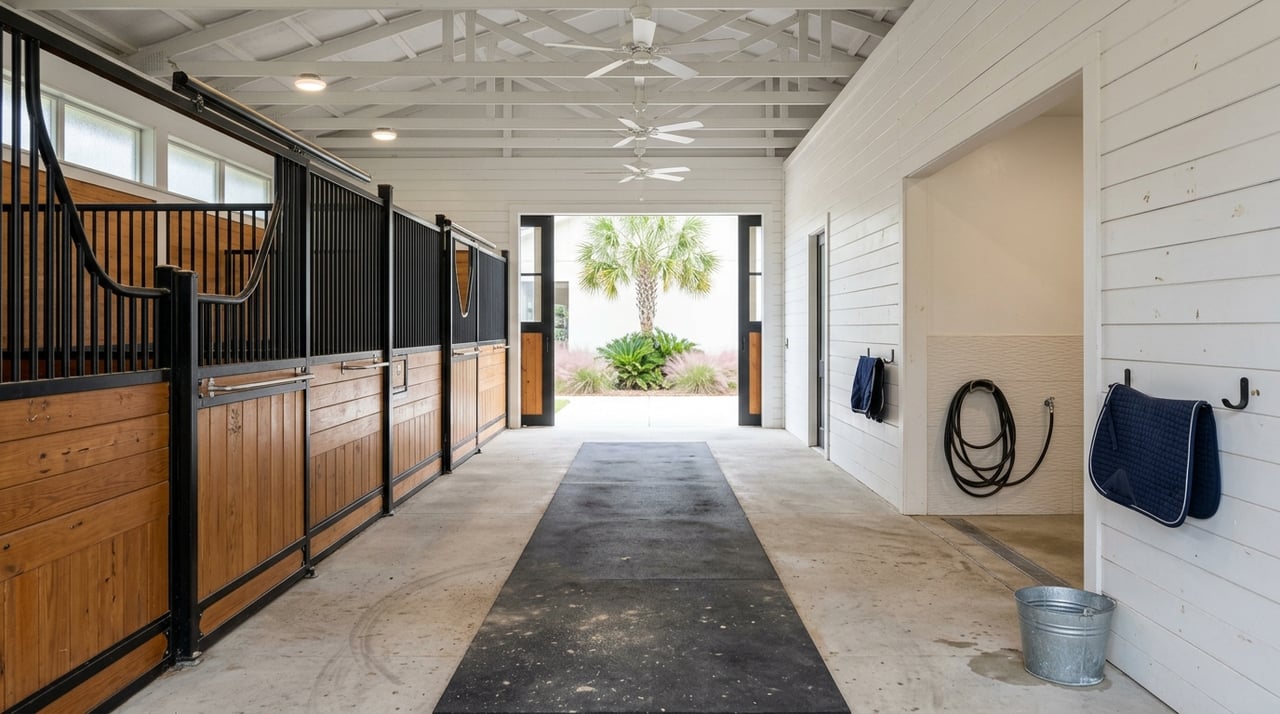
Selling A Wellington Home With Equestrian Features
June 25, 2026
June 25, 2026
If you are selling a Wellington home with equestrian features, you are not just listing a house. You are presenting a working horse property in one of the best-known equestrian communities in the country. That takes a different strategy than a standard home sale, and the details matter. In this guide, you will learn how to position your property, prepare horse facilities, and market the features Wellington buyers are actually comparing. Let’s dive in.
Wellington is an international equestrian community with more than 57 miles of trails, more than 580 farms, and nearly 13,000 horses during peak season. The village also notes that horse farms range from 1 to 200 acres, with 2- and 5-acre parcels most common. That scale shapes what buyers expect when they look at horse properties here.
For many buyers, the barn, arena, turnout, fencing, and drainage setup are not bonus features. They are part of the property’s function, value, and long-term usability. In Wellington, those elements also connect to local land-use rules and property standards, especially in areas affected by the Equestrian Overlay Zoning District and related village oversight.
That local context matters even more in a market where buyers have choices. Recent market trackers showed Wellington homes taking around two to two-and-a-half months to sell in May 2026, depending on the source. While the exact numbers differ by methodology, the broader message is clear: strong presentation helps equestrian listings stand out.
When you sell a horse property in Wellington, buyers want practical answers fast. They are often comparing how well each property supports daily care, riding, transport, and seasonal use. A beautiful home helps, but the equestrian setup usually drives the first round of interest.
That means your marketing should treat the property as a functional equestrian asset first and a lifestyle home second. Clear facts, organized visuals, and accurate descriptions help serious buyers decide whether your property fits their needs before they ever schedule a showing.
Horse-focused buyers commonly want to know specifics, not vague selling language. If your property has equestrian improvements, your listing should clearly identify the details buyers are most likely to compare.
Important details may include:
Be careful with location claims. If you mention trail access or venue proximity, it should be accurate and documented. In Wellington, that distinction matters because not every property has the same access or frontage.
A horse property can lose appeal quickly if the working areas look neglected. Buyers notice aisle dust, manure placement, worn footing, weeds, gate issues, and clutter right away. The goal is to make the property feel safe, organized, and ready for use.
Start with the barn itself. Clean aisles, remove cobwebs, clear weeds and trash near the structure, and make exits easy to identify. These steps improve appearance, but they also support a safer impression during tours.
Your barn should look tidy without feeling over-staged. Buyers want to see a real working setup, but they also want confidence that the property has been maintained carefully.
Focus on these simple improvements:
Manure management also matters. In Wellington, manure cannot go in the standard garbage container and must be removed by an approved livestock waste hauler. If buyers ask how waste is handled, you should be ready with a clear answer.
Turnout areas should read as usable, not just present. Buyers may be judging whether the space supports the number of horses they plan to keep on the property.
Walk the fencing lines, trim overgrowth, and fix anything that looks loose or worn. Clean water troughs, freshen bedding where relevant, and make access points easy to navigate. Even small improvements can make the setup feel more horse-ready.
Arenas are one of the biggest value points on a Wellington equestrian property. If the footing looks uneven or heavily worn, buyers may assume deferred maintenance even if the rest of the property shows well.
Before photos and showings, drag the arena and check for high-traffic wear, low spots, and footing that has shifted toward the edges. If jumps or equipment have sat in one place for too long, move them so the surface looks more evenly maintained. A well-presented riding surface tells buyers the property has been actively cared for.
In Wellington, equestrian improvements are part of a larger compliance story. The village’s equestrian oversight emphasizes land use, rider and animal safety, and flooding and drainage concerns. That makes records especially valuable when you sell.
If you have completed recent work on barns, fencing, arenas, or drainage, gather the paperwork before the listing goes live. Buyers may ask whether improvements were permitted, and being prepared helps build trust early.
Useful documentation may include:
You do not need to overwhelm buyers with paperwork on day one. You do want your listing team ready with accurate facts when serious questions come in.
Most buyers start online, and photos often determine whether they take the next step. National real estate guidance consistently points to photography as one of the most important factors in deciding which homes to visit. For a Wellington horse property, that means your images need to do more than look attractive. They need to communicate function.
Natural light, clean sight lines, and uncluttered spaces help every listing. But with equestrian homes, the photo set should also tell a clear operational story from entrance to barn to turnout to arena.
Make sure your photos show:
Avoid distractions such as vehicles in key shots, cluttered work areas, or props that hide the actual condition of the facilities. Buyers want a clear read on how the property works.
Strong equestrian listing copy should sound informed, not generic. Phrases like “dream barn” or “horse lover’s paradise” are easy to skip past if they are not backed by facts. Specifics are what help your property stand out.
Your copy should quickly answer the practical questions buyers are asking in their heads. If the arena is designed for year-round usability, the drainage is a notable strength, or the turnout plan supports multiple horses, those points deserve a clear place in the description.
Useful listing copy often includes:
This is where local knowledge becomes a real advantage. A well-positioned listing anticipates the questions serious Wellington buyers are most likely to ask and answers them clearly.
Wellington’s equestrian calendar creates a real seasonal rhythm. Wellington International reports that the Winter Equestrian Festival runs for 13 weeks from January through March, while the Adequan Global Dressage Festival adds 10 weeks of dressage competition. The venue also notes that high-level competition draws participants from all 50 states and more than 34 countries, with activity extending beyond the winter months.
That seasonal activity supports one practical takeaway for sellers: late fall through late winter can offer the strongest exposure window for a horse-oriented listing. If you want to reach the broadest equestrian audience, it helps to have pricing, photography, copy, and minor repairs completed before the winter circuit ramps up.
If you are targeting the winter market, avoid waiting until the last minute. Equestrian properties usually need more prep than a typical suburban listing because buyers are evaluating both the home and the horse facilities.
A simple timeline can help:
| Timing | What to do |
|---|---|
| 6 to 8 weeks before launch | Review pricing strategy, gather permits, and plan improvements |
| 4 to 6 weeks before launch | Clean barns, refresh turnout, service gates, and address drainage presentation |
| 2 to 3 weeks before launch | Schedule photography and finalize listing details |
| 1 week before launch | Complete touch-ups, confirm show-ready condition, and prepare for buyer questions |
There are also practical local issues to keep in mind. In the Equestrian Preserve Area, Wellington prohibits personal fireworks year-round, and livestock waste must still be handled through approved disposal channels rather than standard household trash service. If you are preparing around holiday events or show-season traffic, good planning can reduce stress.
Selling a Wellington home with equestrian features is not only about broad real estate marketing. It is about understanding how horse buyers evaluate land, facilities, access, upkeep, and seasonal timing in this specific market.
That is where a consultative approach matters. You want a listing strategy that pairs polished presentation with local knowledge, clear facts, and responsive communication from the first inquiry through closing. When your property is marketed with that level of care, buyers can see its full value more quickly.
If you are preparing to sell a Wellington horse property, The Homeseeker Group can help you position the home, highlight the equestrian features buyers care about, and build a smart plan for timing, presentation, and exposure.
Stay up to date on the latest real estate trends.
We’re more than agents—we’re local advocates, expert negotiators, and relentless problem-solvers. Let’s bring your real estate vision to life, together.