Trying to decide between a townhome or a condo in Lantana? You are not alone. With coastal living, convenient amenities, and a range of communities, it is smart to understand how these options differ before you choose. In this guide, you will compare ownership, fees, financing, insurance, lifestyle trade-offs, and the exact documents to review so you can move forward with confidence. Let’s dive in.
Townhome vs condo basics in Florida
A condo gives you ownership of your individual unit plus a shared interest in the common areas. A condominium association manages the building and common elements under Florida’s Condominium Act. You can review the law in Florida Statutes Chapter 718.
A townhome is often a fee-simple home attached to neighbors. You usually own the structure and the land beneath it, with a homeowners association (HOA) that oversees shared areas through covenants and rules. Townhome HOAs typically operate under Florida Statutes Chapter 720.
What this means for you:
- Condos often include exterior, roof, and shared systems in the association’s responsibilities.
- Townhome owners often handle exterior and roof maintenance unless the HOA takes it on in the documents. Always confirm in the declaration.
- Both communities have governing documents, budgets, and rules that affect your costs, freedoms, and resale.
How fees and financing differ
Association dues pay for operating costs like landscaping, pools, building maintenance, management, and insurance. In many condos, the dues fund more building items compared to typical townhome HOAs. The trade-off is that condo dues can be higher, but your personal maintenance list is often shorter.
Financing can differ as well:
- Lenders review condos as projects. Some loans, like certain government-backed options, require project approval. Associations with high delinquencies, litigation, or weak reserves can be harder to finance.
- Townhomes that are fee-simple usually follow standard single-family underwriting. Project-level reviews may be simpler.
Reserves and assessments matter in both cases. Associations set aside reserves for long-term repairs. If reserves are underfunded, you could face a special assessment. Since 2021, there has been added attention on building safety and reserve planning across Florida. You should request recent financials and reserve studies and read the latest meeting minutes before you buy. For condo governance background, see the Florida DBPR condominium resources.
Insurance and storms in coastal Lantana
Insurance structures are different for condos and townhomes, and that affects your budget:
- Condos usually carry a master policy that covers the building shell and common areas. You buy an HO-6 policy for interior finishes, personal property, and liability. Confirm what the master policy covers and the deductible.
- Townhomes often require an HO-3 or HO-5 policy because you may insure the exterior and roof yourself. Check the HOA documents to be sure.
Flood risk is a key factor near the Intracoastal and the ocean. Lenders typically require flood insurance if the property is in a high-risk zone. You can look up a specific address on the FEMA Flood Map Service Center and request an elevation certificate for accurate quotes. For statewide insurance market context and regulatory updates, visit the Florida Office of Insurance Regulation.
Lifestyle trade-offs in Lantana
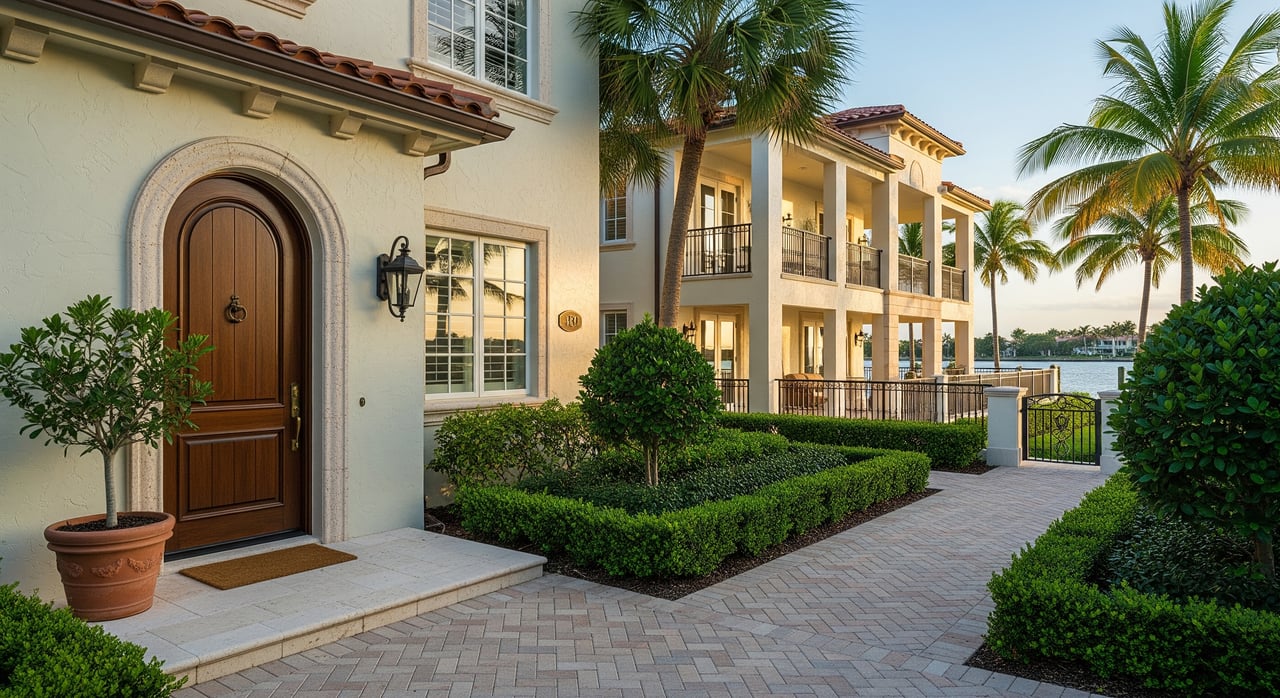
Lantana is a small coastal town with easy access to the beach and the Intracoastal. You will find a mix of low-rise condos near the water and attached townhome communities a bit inland. Your lifestyle goals can guide your decision.
Townhome pros
- More private entry and often a patio or small yard.
- Garage or dedicated parking is more common.
- Feels closer to single-family living while still having HOA-managed perks.
Townhome cons
- You may be responsible for exterior, roof, and landscaping unless the HOA covers them.
- HOA fees still apply and can be significant, depending on services.
- Shared walls can bring some noise, similar to condos.
Condo pros
- Lower personal maintenance since the association handles the exterior and common areas.
- Amenities like a pool or fitness room are often included.
- Great for lock-and-leave living or seasonal stays, and many buildings sit close to beaches and shops.
Condo cons
- Less privacy and more neighbors.
- You are exposed to building-level decisions and possible special assessments.
- Project-level issues can affect financing and insurance.
What to research before you buy
Use this checklist to reduce surprises and protect your budget.
Documents to request
- Association documents: declaration or CC&Rs, bylaws, and rules.
- Current budget and recent financial statements.
- Reserve study and the reserve funding plan.
- Meeting minutes for the last 12 to 36 months.
- Insurance certificates for the master policy, including deductibles and coverage type.
- A list of current monthly fees and any approved or pending special assessments.
- Estoppel letter for amounts due and transfer fees, as required in Florida.
- Any disclosures about pending litigation.
- Policies on rentals, pets, and any age restrictions.
- Building inspection and maintenance reports, especially for structural items in condos.
- Elevation certificate and flood zone designation for coastal properties.
Technical and site checks
- Verify flood zone and request an elevation certificate if the property is in a higher-risk zone.
- Confirm parking details, such as assigned spaces or deeded garage.
- Clarify unit boundaries so you know what you must insure.
- Ask about building age and recent major repairs like roofs, balconies, or exterior work.
- Review reserve contributions and percentage funded.
Local sources to use
Sellers: prepare for a smoother sale
If you are selling a condo or townhome, you can set buyers at ease and reduce delays by preparing these items early:
- Association documents, budget, reserve study, and recent minutes.
- Insurance certificates and a summary of what the master policy covers.
- A breakdown of monthly dues, assessments, and any upcoming projects.
- Compliance records for any past violations and proof of resolution.
- If practical, a pre-listing inspection to uncover repair items that can impact buyer financing.
- Payoff and estoppel estimates so closing numbers are accurate.
Local experts to have on your team
A strong team helps you spot risks before they become problems.
- Community association attorney or manager: Ask about special assessment procedures, rental rules, and estoppel timelines under Chapters 718 and 720.
- Insurance broker: Ask how master policy deductibles work in local condo buildings and how wind and flood coverage will affect your total cost.
- Home inspector with coastal experience: Ask about common issues like balcony waterproofing, stucco, roof condition, and corrosion from salt air.
Which one is right for you
If you want minimal upkeep and easy amenities near the water, a condo may fit you best. If you want more space, a garage, and a feel closer to single-family living, a townhome could be the better match. In Lantana, both options can work well. The key is to review the association’s health, understand insurance needs, and match the community rules to your plans.
When you are ready to compare actual communities, schedule a friendly, no-pressure consult with The Homeseeker Group. We will help you weigh the trade-offs, review documents, and line up the right experts so you can move forward with clarity.
FAQs
What is the main legal difference between a condo and a townhome in Florida?
- Condos are governed by the Condominium Act, and you own your unit plus shared common elements. Townhomes are typically fee-simple and governed by the HOA Act. See Chapter 718 and Chapter 720.
How do condo and HOA fees impact my budget in Lantana?
- Condo dues often cover exterior, roof, and shared systems, while townhome dues may focus on common areas. Always review budgets, reserve studies, and minutes to see what is included and whether reserves are adequate.
Do I need flood insurance for a Lantana condo or townhome?
- If the property is in a high-risk flood zone and you have a mortgage, your lender will typically require it. Verify your flood zone on the FEMA Flood Map Service Center and request an elevation certificate.
Can I rent my Lantana unit short term?
What documents should I review before buying into an association?
- Ask for the declaration or CC&Rs, bylaws, rules, current budget, financials, reserve study, recent minutes, insurance certificates, fee and assessment list, estoppel letter, and any inspection or litigation reports.